Looking for russian recipes that taste like a real Russian kitchen? Start with soups, dumplings, pancakes and layered salads. Borscht, pelmeni, blini and olivier will carry you through most of a classic table.
| Item | Value |
|---|---|
| Pelmeni made in the Ural Mountains | over 600 years |
| Borscht history likely dates to | 14th-century Kievan Rus’ |
| Potatoes produced per person per year | almost 500 pounds |
| Fasting before Orthodox Easter | 40 days |
| Year beef stroganoff was the most Googled dish | 2017 |
These figures come from Advantour’s guide to Russian dishes and SBS Food’s primer on Russian food. They can change, so check the sources before you rely on them.
What makes Russian cooking Russian?
Russian home cooking grew out of peasant food in a harsh climate. Rye, wheat, barley and millet supplied the breads, pancakes, pies, cereals, beer and vodka, as Wikipedia’s overview of Russian cuisine explains.
Soups and stews lean on seasonal or storable produce, fish and meats, according to the same Wikipedia overview. That is why cabbage, potatoes and pickles keep appearing in the recipes below.
The country is also a patchwork. Almost 100 ethnic and religious groups live within the Russian Federation, says Babbel’s culinary tour of Russia, so a single dish often has many local versions.
The guide to russian food culture covers the traditions behind the table, while this page focuses on what to cook. Here is how the recipes are grouped:
- Soups: borscht, shchi, solyanka and cold okroshka.
- Dumplings, pies and pancakes: pelmeni, pirozhki, blini and syrniki.
- Salads: olivier, herring under a fur coat and vinaigrette.
- Mains and sweets: beef stroganoff, kasha, medovik and festive cakes.
Soups to cook first
Soup is not a starter you can skip. SBS Food notes that to most Russians it is an essential part of each day, eaten at lunch or served first before a main dish.
Borscht
A Russian borscht combines beetroot with onions, potatoes, tomatoes, carrots, cabbage and beef, simmered slowly for a long time, as Babbel describes it. A good pot should be so thick that a wooden spoon can stand up straight in it. The borscht recipe covers the full method.
The soup’s history likely dates to 14th-century Kievan Rus’, according to Advantour. Old cookbooks listed many versions, including a Moscow-style borshch with assorted meat such as bacon, sausages and boiled beef, as Google Arts & Culture recounts.
Shchi
Shchi is built on white cabbage or sauerkraut simmered in meat stock and finished with sour cream, says Babbel. Advantour adds that it has been eaten almost daily for centuries. Start with the shchi recipe if you want the simplest of the classic soups.
Solyanka
Solyanka starts with a bouillon base and piles on salty and sour tastes such as pickles, olives, brine or lemons. Meat, fish or sausage plus mushrooms turn it into a whole meal, according to Advantour. The solyanka soup recipe is the one to try when you want a bold, tangy bowl.
Okroshka and ukha
Okroshka is the summer answer: a cold soup of raw radish and spring onion served with cooked meat, boiled potatoes and egg, per Google Arts & Culture. The liquid is a kvass base or a milk base such as buttermilk or kefir, according to Advantour.
For the fermented bread drink itself, browse the russian drinks guide. If you prefer a hot fish soup, SBS Food calls ukha the country’s oldest recorded soup.
Dumplings, pies and pancakes
Pelmeni
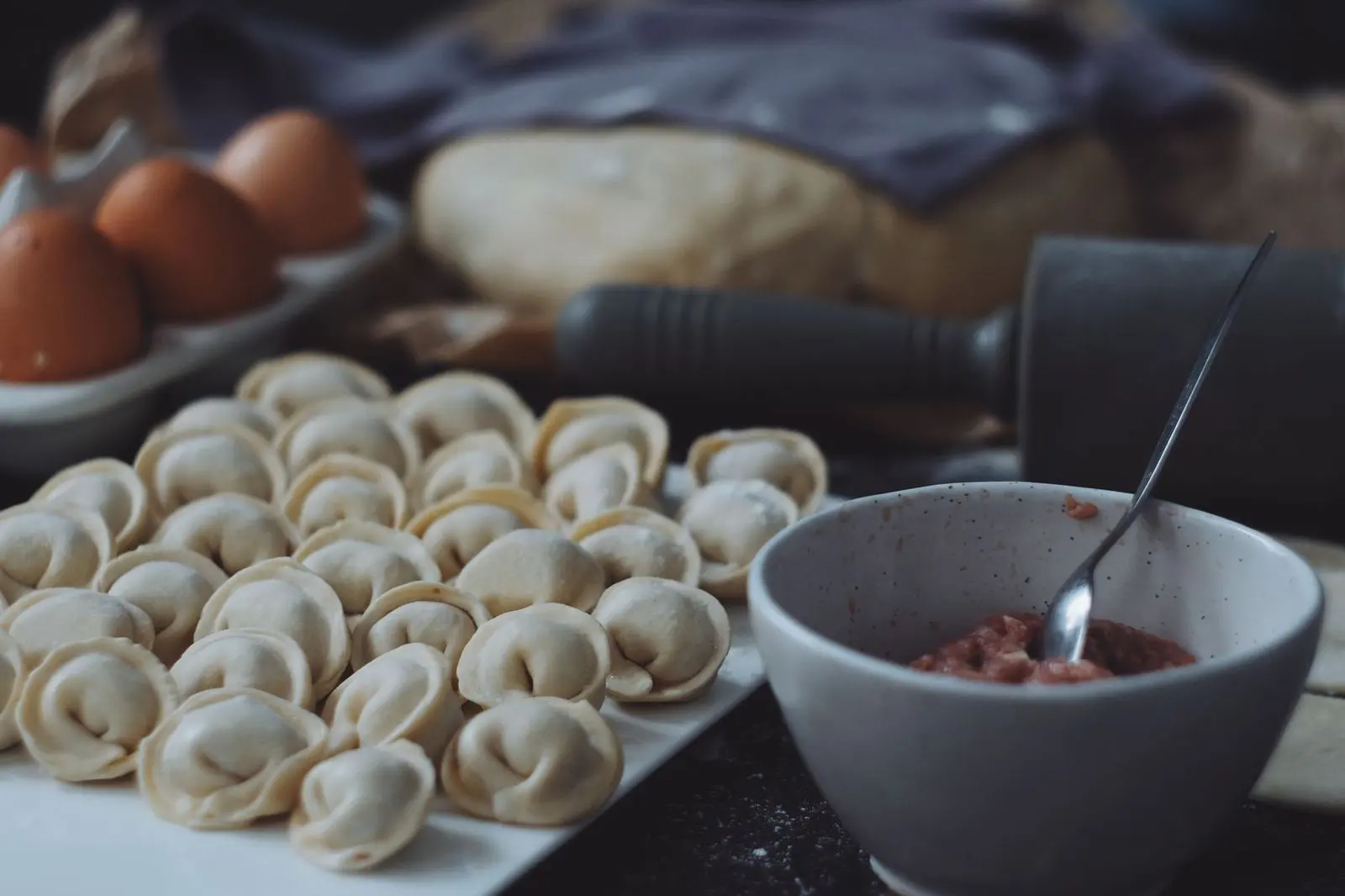
Pelmeni are thin flour dough filled with freshly minced pork, lamb and beef, usually served with melted butter, dill and a dollop of sour cream, says SBS Food. Ural pelmeni, the “ear-shaped” kind, were traditionally made at the start of winter and stored outside to freeze, then boiled as needed.
Historical records show that pelmeni became part of Russian cuisine in the 16th century, according to Remitly. Boiling is the classic route, but Google Arts & Culture points out they can also be fried. The pelmeni recipe shows the dough and filling step by step.
Pelmeni are also a party dish. Remitly mentions a playful custom of hiding a coin for luck in one dumpling, or just onion and garlic to make people laugh.
Pirozhki and pirogi
Pirozhki are often confused with Polish pierogi. SBS Food explains that pierogi use a pasta-like dough that is typically boiled, while Russian piroshki are more like hand-pies with a crust that is typically baked.
Fillings range widely. Babbel lists meat, fish, potatoes, spinach, cabbage, rice, quark and even fruit. The pirozhki recipe is a good place to begin with a cabbage or potato filling.
Blini and syrniki
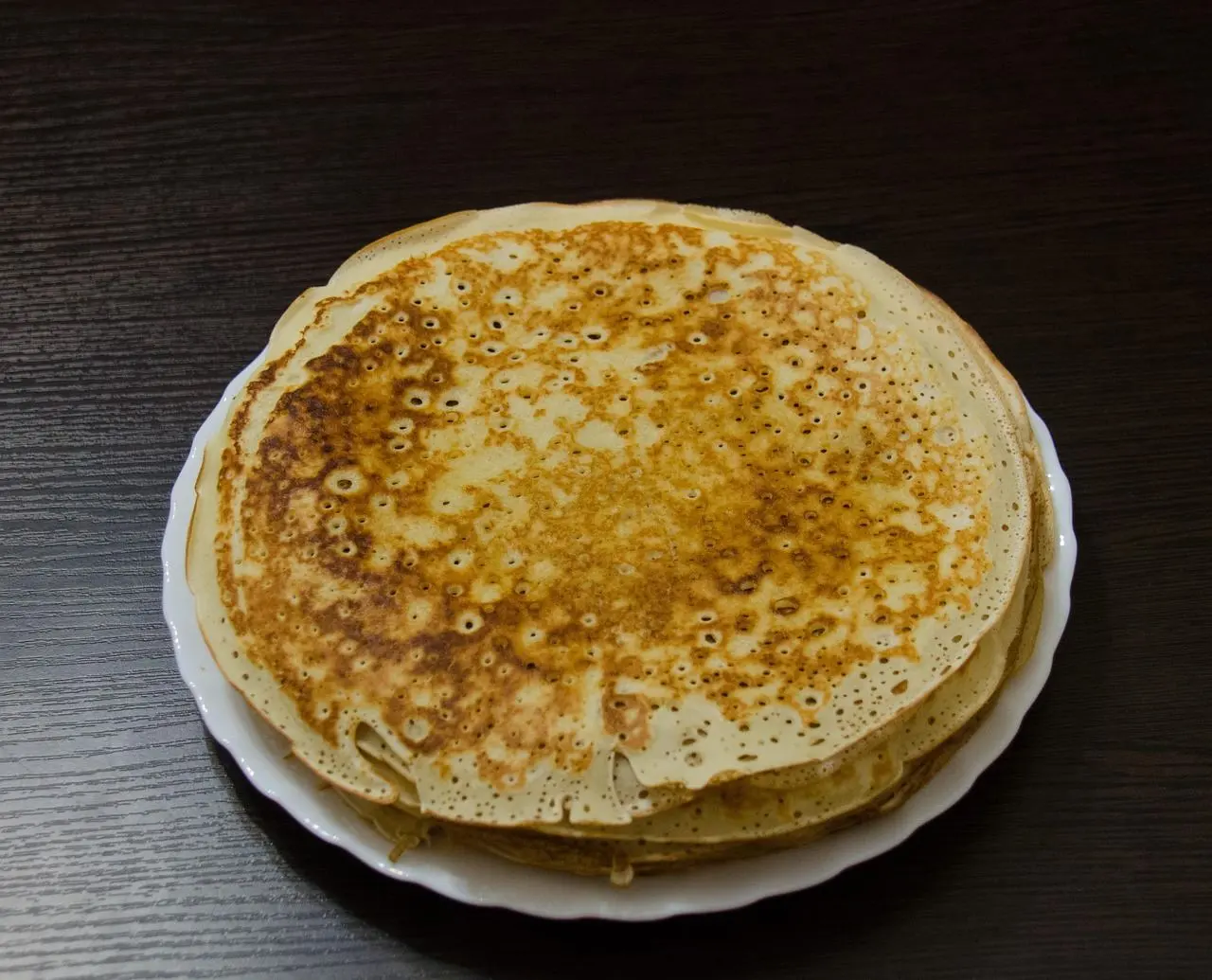
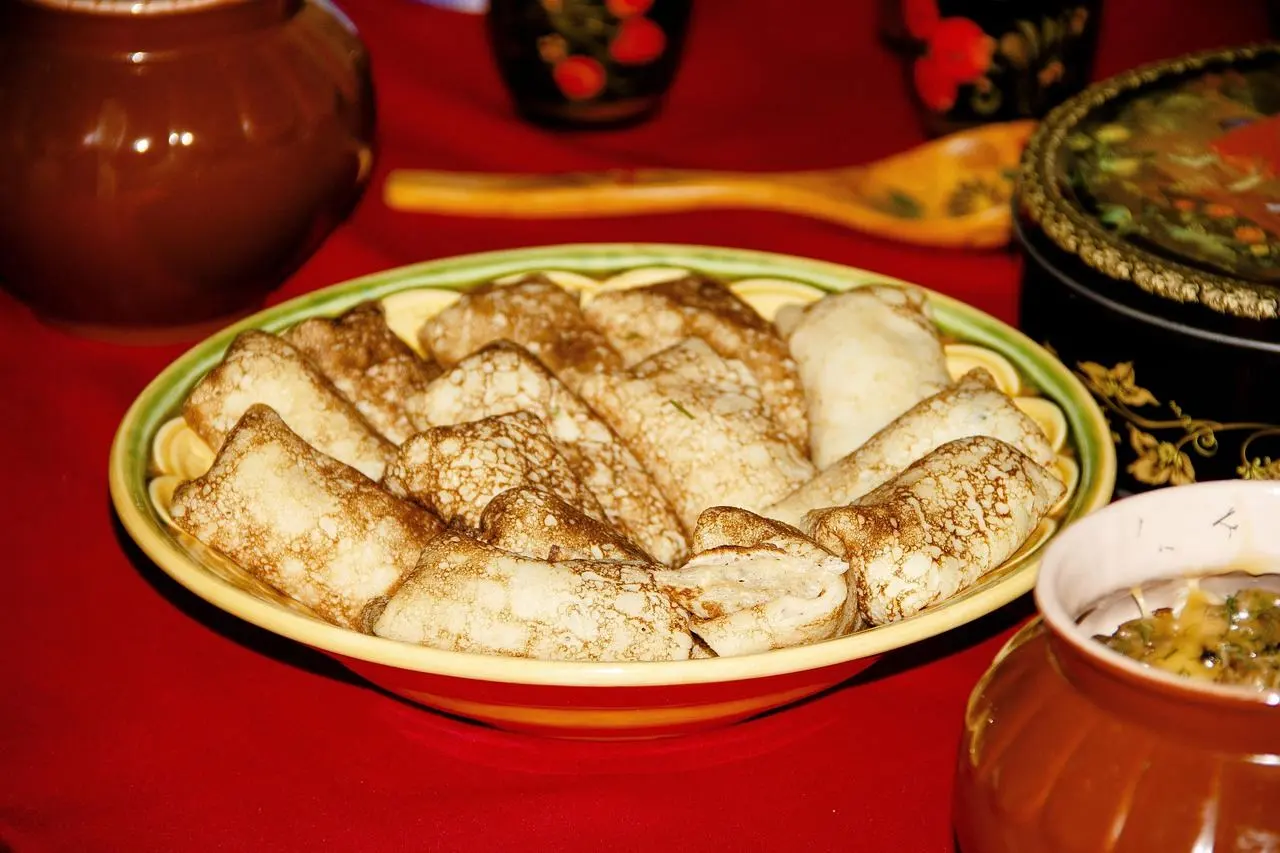
Blini are thin, round pancakes, and their round shape symbolises the sun. They become mandatory during Maslenitsa, or “Butter Week”, a traditional holiday that marks the end of winter, according to SBS Food.
Toppings run from caviar, mushrooms and fish to berries, sour cream, condensed milk, honey and jam. Follow the blini recipe for a batter that suits both sweet and savoury fillings.
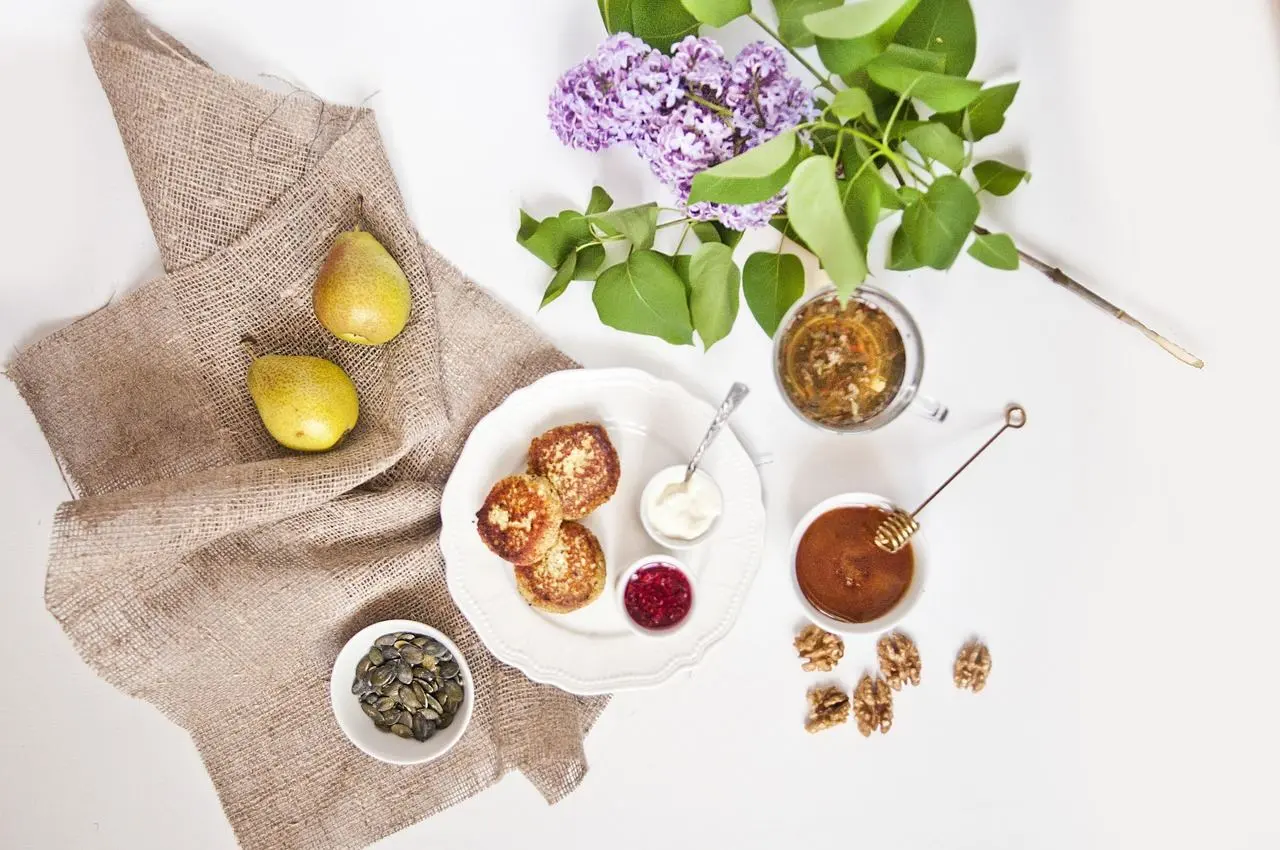
Syrniki are small, sweet pancakes made mainly from tvorog (quark or farmer’s cheese) with very little flour, says Google Arts & Culture. Expect a soft, sweetened centre inside a crisp, golden casing, as SBS Food puts it. Use the syrniki recipe for a weekend breakfast.
Salads for the festive table
Russian salads are usually bound with mayonnaise. SBS Food says it has been the go-to dressing, marinade and bread topping for Russians since Imperial times.
Olivier salad
During the 1860s, French chef Lucien Olivier ran a Moscow restaurant whose house specialty was a salad of wild hazel grouse, black caviar, boiled crayfish, hard-boiled eggs and capers, per Babbel. The classic form today uses boiled potatoes and carrots, pickled cucumbers, chicken, hard-boiled eggs, green peas and mayonnaise.
Google Arts & Culture adds celeriac, onions and tart apples, flavoured with mustard-mayo. The olivier salad recipe is the standard holiday-table version.
Herring under a fur coat
This layered salad is traditionally eaten around New Year’s Eve. Boiled potatoes and carrots, onions, hard-boiled eggs and herring are finely chopped and stacked with a thin layer of mayonnaise between each, and the top layer is always beetroot, says Babbel. The herring under a fur coat recipe explains how to build it.
Vinaigrette and pickles
Vinaigrette is a medley of diced beetroots, potatoes, carrots, onions, sauerkraut and brined pickles, as Google Arts & Culture describes it. It needs no mayonnaise and makes a lighter side on a crowded table.
Pickles matter too. Advantour notes that they were especially important for preserving vegetables through the long, cold winters.
Mains, porridge and sweets
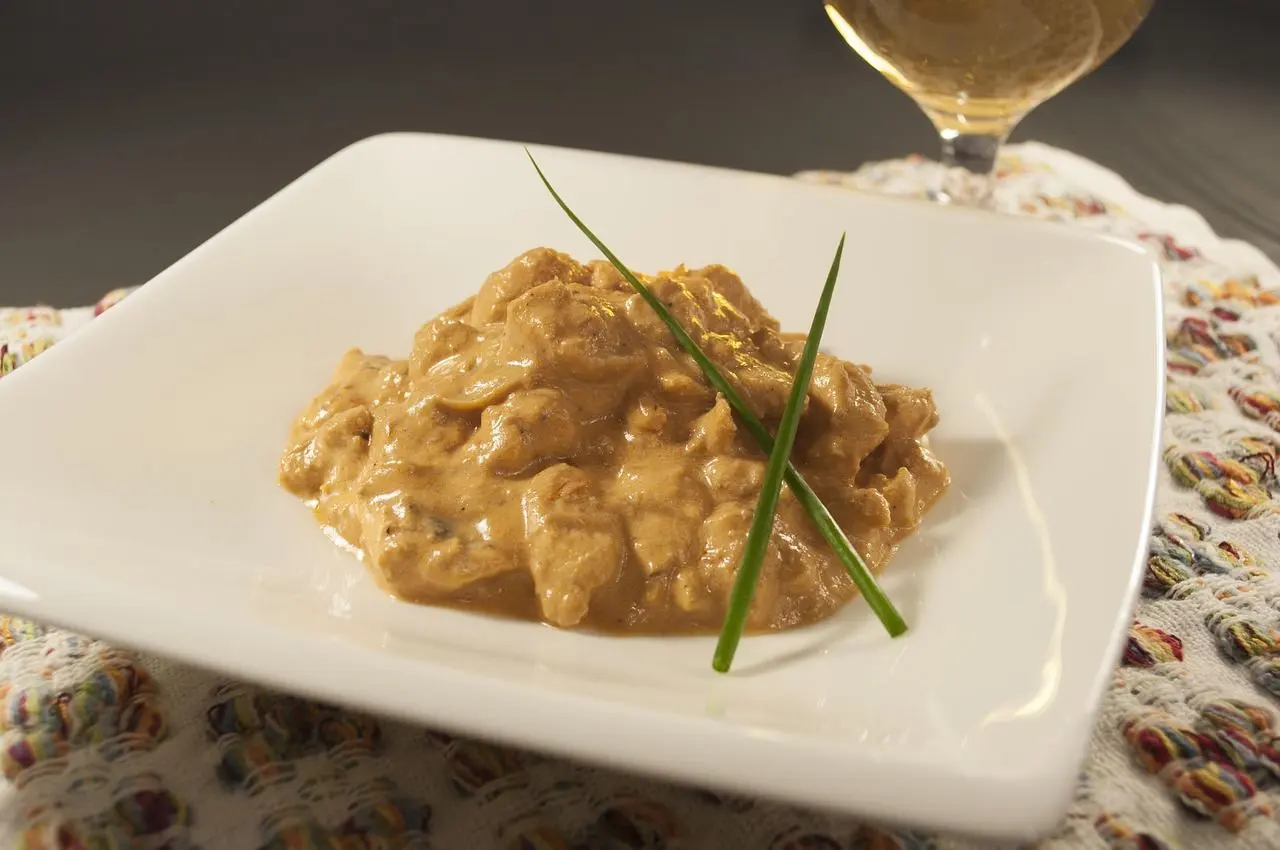
Beef stroganoff is stewed beef in a sauce based on smetana, a type of soured cream, per Google Arts & Culture. It even topped the search charts: SBS Food reports it was the most Googled dish of 2017. Cook it with the beef stroganoff recipe.
Kasha is the everyday grain side. Buckwheat grains are cooked in a closed pot until soft and eaten with meat, fish or vegetables, or sweet at breakfast with a little milk and sugar, according to Babbel.
Potatoes are everywhere, too. Russia produces almost 500 pounds of potatoes per person per year, and they turn up in soups, pirozhki and salads, says SBS Food.
For sweets, honey has long been a pantry staple. Wikipedia notes that many Russians made honey and berries into gingerbread, which is still a popular dessert. The medovik recipe is the place to start for a honey-based cake.
Grander tables call for the Korolevsky cake. It stacks three layers of walnut, chocolate and poppy seed sponge bound with caramel filling, according to SBS Food.
The same source says that Russian Orthodox Christians mark the end of 40 days of fasting during Great Lent with elaborate Easter banquets. Many families begin Easter morning with kulich, an Easter bread, and paskha, a sweetened Easter cheese.
Frequently asked questions
Does Russia have an official national dish?
Show answer
Not formally. Remitly says people rarely agree on an official pick, though many name pelmeni, with borscht and blini as other strong candidates.
Are pirogi the same as Polish pierogi?
Show answer
No. Babbel warns against mixing them up: Polish pierogi are a type of filled pasta, while Russian pirogi are baked yeast dough pastries.
Where can you eat traditional Russian food when travelling?
Show answer
Try a stolovaya, a public canteen. Babbel says these are a good place to find typical traditional food in most Russian cities.
Can you cook Russian dishes without meat?
Show answer
Often, yes. Advantour says vegetarians will find plenty of dishes to satisfy a craving, and many can be made with or without meat.