Not sure where to begin with Russian drinks? Start with kvass in summer and sbiten in winter. Both are centuries old, and this guide shows you how the rest fit around them.
| Item | Value |
|---|---|
| First chronicle mention of sbiten | 1128 |
| Medovukha brewed instead of barrel-aged | from the 11th century |
| Sbitennik, the samovar’s precursor, invented | 18th century |
| Russian state standard (GOST) for khrenovukha | in effect since 2016 |
| Sbiten sold by one Pushkinskiye Gory producer | about 12 tons each month |
The figures come from Wikipedia’s sbiten entry and Gateway to Russia’s list of ancient drinks. They can change, so check the sources before you rely on them.
How Russian drinks grew out of honey, bread and berries
Russian cuisine managed for a long time without the tea and coffee we know today, as Gateway to Russia explains. In cold weather, people warmed themselves with infusions and tinctures of honey, berries and herbs.
The traditional repertoire falls into a few families:
- Honey drinks: sbiten and medovukha.
- Bread and grain drinks: kvass and braga.
- Fruit and berry drinks: mors, kompot, kissel and fruit water.
- Infusions and sap drinks: khrenovukha, dusheparka and berezovitsa.
Fermented birch sap is counted among the oldest drinks of the Slavs. The same list says berezovitsa was virtually the main drink in Old Russia until the 10th-11th centuries, when kvass took its place.
These drinks make most sense alongside the meals and customs around them. The wider table is explored in our overview of russian food culture.
Sbiten: the spiced honey drink of Russian winters
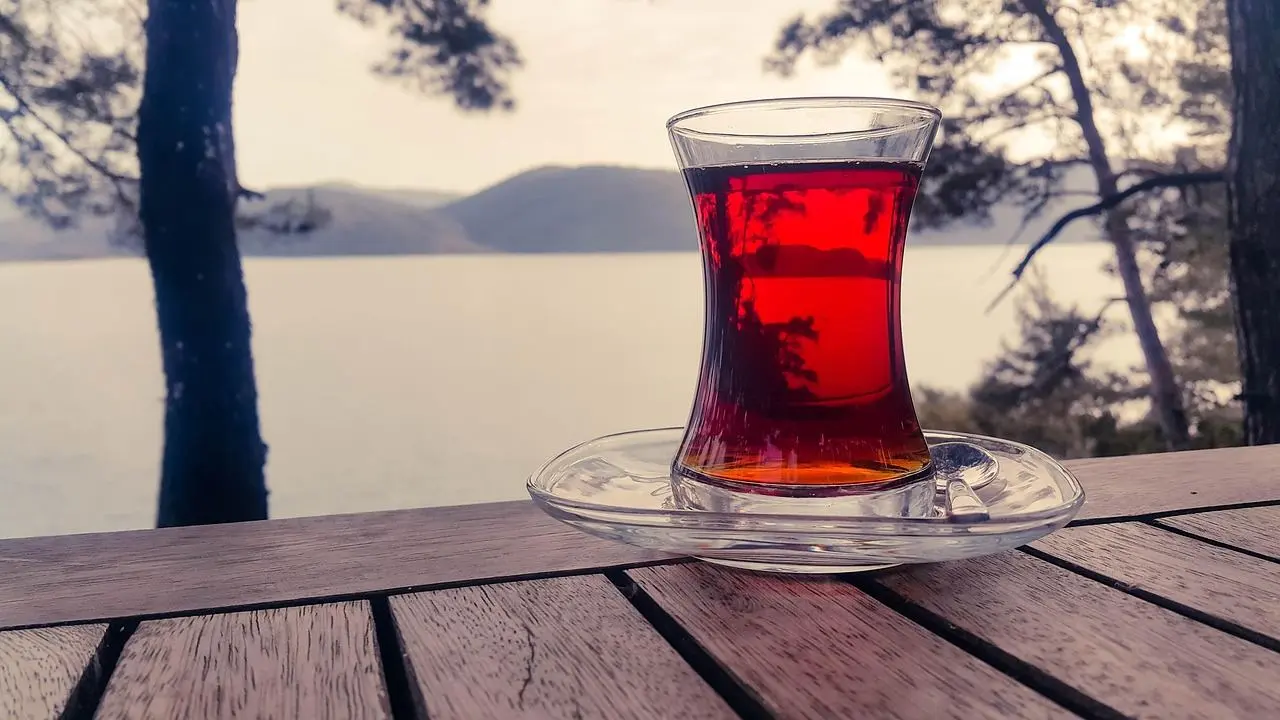
Sbiten was once the main Russian winter drink, made with or without alcohol. Gateway to Russia describes it as honey dissolved in boiling water with St. John’s wort, mint, sage and other spices.
Wikipedia adds that it looks dark purple and, depending on the recipe, can be very spicy, very sweet or both. It used to have the reputation of a Russian Glühwein, although it normally contains no alcohol, according to the sbiten entry.
Sbiten was first mentioned in chronicles in 1128. It stayed popular across Russian society until the 19th century, when coffee and tea replaced it, Wikipedia reports.
In the 18th century it still rivalled tea and was seen as the cheaper choice. The same entry says Peter the Great had sbiten given to the workers building his new capital as protection against the cold.
Sailors drank it too. In the 18th and 19th centuries, Russian sailors used sbiten as a remedy against scurvy, especially when it was mixed with citrus or ginger juice, Wikipedia notes.
The preparation is simple compared with kvass. One recipe appears in the 16th-century Domostroy, and in some versions the honey and the spices are boiled separately and then combined, while others boil everything at once, according to Wikipedia.
Swapping red wine for the water makes an alcoholic version. A garnish of mint leaves or cinnamon sticks finishes the glass.
The drink did not vanish. After the breakup of the Soviet Union it was revived as a very sweet, spicy syrup sold through monastery shops, and one producer from Pushkinskiye Gory reports sales of about 12 tons of sbiten each month, the entry says. To make it yourself, follow our sbiten recipe.
Kvass: the everyday bread drink
Google Arts & Culture calls kvass the most traditional Russian beverage and says it was first mentioned in the 10th century. It has a characteristic sour taste and, for centuries, was produced from malt or sprouted seeds that were dried in a stove, watered and left to ferment.
Bread is the heart of it. Gateway to Russia describes a slightly carbonated, sweet and sour drink with low alcohol content, made from rye bread, flour or crackers.
The base can vary a great deal. Kvass may be made from:
- rye, oats, buckwheat or wheat;
- a mixture of cereals and malts;
- fruits, including apples.
It can also be flavoured with fruits or herbs, and the same story says there are thousands of recipes. Many factors influence fermentation, which explains a weak 1-2% alcohol content in some homemade versions, the source explains.
Kvass does more than quench thirst. It can season meat before roasting, flavour soups, and produce aromatic steam in a banya when it is spilt on hot stones, Google Arts & Culture notes. It also still serves as the base for the summer soup okroshka, per Gateway to Russia.

The kvass sold in the Soviet Union tasted different. It was mostly made from dried rye bread and later from a manufactured malt concentrate that made it sweeter and dark brown, unlike the varieties popular before the 20th century, the story says.
In older days, sellers called kvasniks worked the bathhouses, where overheated visitors rarely refused a sour, refreshing glass. Some varieties, called tvorennye, could compete with wine in strength, per Gateway to Russia’s summer drinks list. If you want to brew a batch, start with our kvass recipe.
Fruit drinks: mors, kompot, kissel and fruit water
Berries and fruit gave Russians their cooling drinks for hot days. Gateway to Russia separates the family like this:
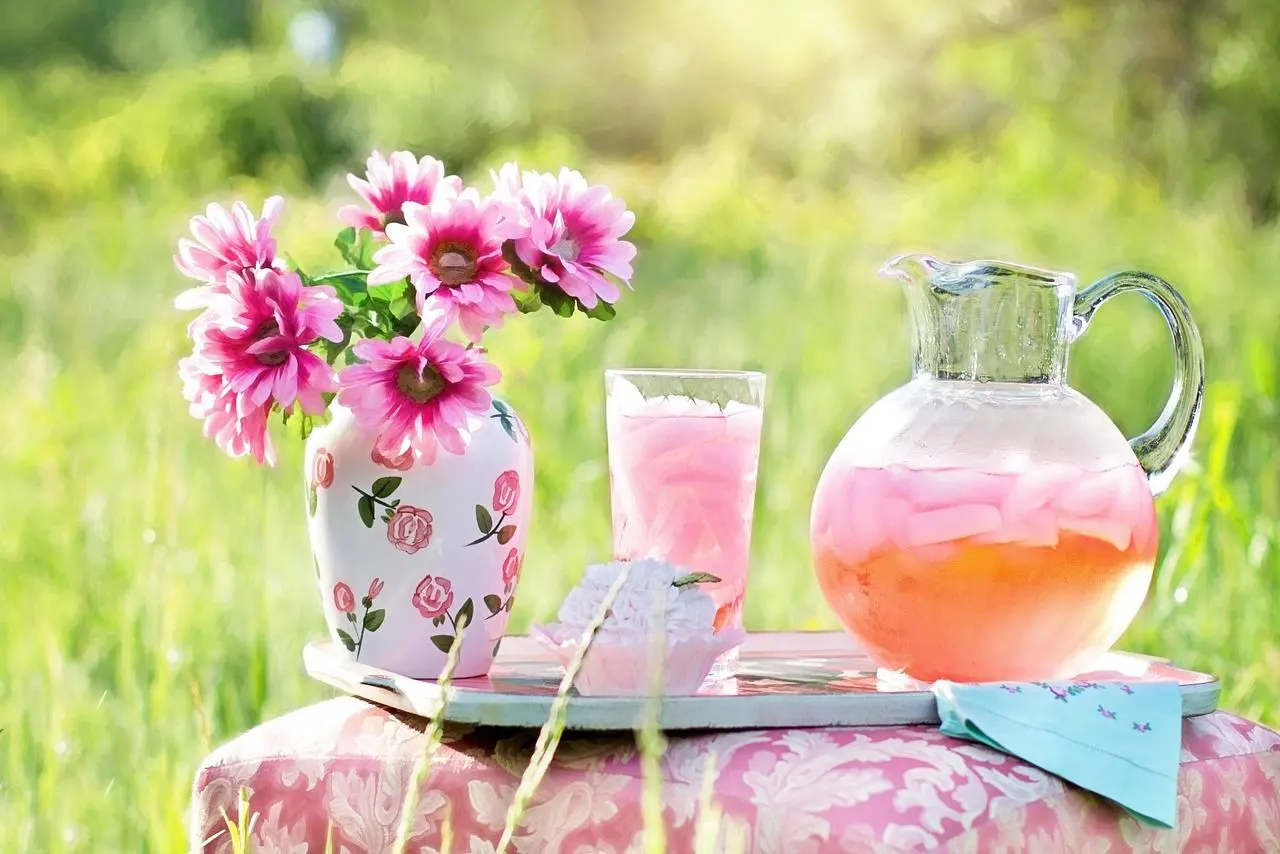
- Mors: a decoction of berries or fruits with sugar or honey that refreshes in the heat.
- Compote: cooked from fresh and also dried fruits, for longer, and served with pieces of fruit.
- Kissel: a thick drink of berries or fruits with added starch, close to a dessert.
- Fruit water: made from fruits or berries with sugar and no heat treatment.
Kissel depends on the starch. Thin, it can be drunk, and thicker, it is eaten with a spoon, according to the same list.
Fruit water had a reputation for upsetting the stomach. In Pushkin’s Eugene Onegin the hero fears lingonberry water, and alcohol was often added to such drinks, the source says.

Fermenting fruit water produced spikovki, or “hoppy waters”, which hissed as they escaped the bottle. Varieties included lemon, birch sap, apple and quince. Sour shchi was another oddity: a highly carbonated soft drink, almost like bread kvass, once served in the same bottles as champagne, the list notes.
Two of these drinks have their own pages. Our mors recipe covers the berry drink, and our kompot recipe covers the cooked fruit version.
Mead, infusions and other old alcoholic drinks
Medovukha was a low-alcohol sweet drink that Old Russia simply called honey. At first it was aged in oak barrels buried in the ground for five to 20 years. From the 11th century it was brewed instead, which cut the preparation time to about a month, Gateway to Russia says.
It was an essential drink at feasts, taken before meals as a sign of the host’s hospitality. Mead-making traditions are kept alive in Suzdal and Veliky Novgorod, according to the same list.
Khrenovukha is a strong alcoholic infusion made from horseradish root, with honey, garlic or spices often added to soften the harsh flavour. In the early 18th century, Peter the Great issued a decree requiring a supply of it on farmsteads for people doing heavy labour in the cold.
The source adds that since 2016 a Russian state standard (GOST) has applied to this drink and bans artificial additives, as stated in that article.
Three more old drinks round out the list:
- Dusheparka: a fermented berry-and-honey drink from the Yaroslavl Region, served hot to “steam the soul” in severe frost.
- Berezovitsa: fermented birch sap, collected in early spring and left to ferment in large open barrels.
- Braga: a low-alcohol relative of kvass, made at home from fermented millet, oat malt, barley or even rye flour.
Vodka comes with customs of its own, and our guide on how to drink vodka russian style covers them.
Tea, the samovar and choosing by season
Sbiten sellers helped shape the tea table. In the 18th century they invented a kettle called the sbitennik, a precursor of the samovar that kept sbiten warm at all times, Wikipedia reports.
Sbiten was already sold at fairs and in taverns, poured from flasks similar to samovars, and it has been known since the 12th century, per Gateway to Russia. The full story of the urn and the tea ritual is in our russian tea samovar guide.
A simple way to choose what to pour:
- Cold weather: hot sbiten, served in winter the way the old vendors did.
- Hot days: kvass, mors or fruit water. Sbiten can be served chilled in summer too.
- Dessert or snack: kissel, thick enough to eat with a spoon.
- A feast: medovukha, the traditional drink before the meal.
Once you have picked a drink, our collection of russian recipes suggests what to serve with it. This site is independent, with no retailer or brand affiliation, so any product mention is editorial and unpaid.
Frequently asked questions
What is the most traditional Russian drink?
Show answer
Kvass has the strongest claim. Google Arts & Culture’s tourism-agency story names it the most traditional Russian beverage, with a first mention in the 10th century.
Does sbiten contain alcohol?
Show answer
Normally it does not. A boozy version is possible by using red wine in place of water, Wikipedia explains.
Is kvass alcoholic?
Show answer
Only slightly. It is described as a low-alcohol drink, and some homemade batches land around 1-2% because fermentation varies, per Google Arts & Culture.
What did Russians drink before tea arrived?
Show answer
Honey-based sbiten was popular before tea appeared in Russia, says Wikipedia. Kvass, medovukha and birch-sap berezovitsa filled cups too.
Can mors and kompot be made without fresh fruit?
Show answer
Compote can. It was cooked from dried fruit as well as fresh, while mors is described as a berry or fruit decoction, as the summer drinks list puts it.