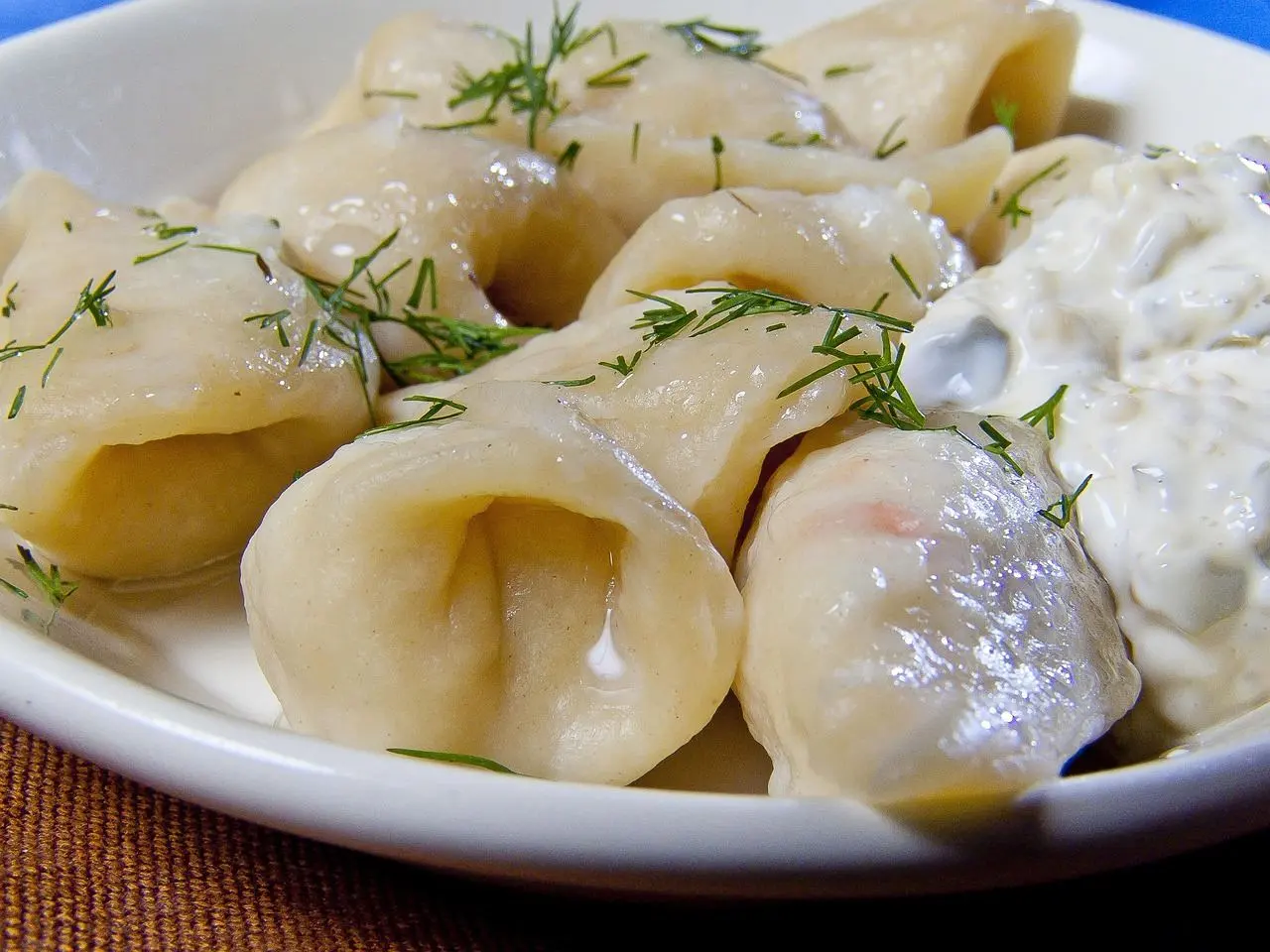
Want a pelmeni recipe that doesn’t burst in the pot? You need a thin, firm dough, a well-seasoned meat filling and a tight pinch, then a short boil.
Looking for more dishes like this one? Browse the russian recipes collection.
| Item | Value |
|---|---|
| Dough ingredients | Flour and water, sometimes a small portion of eggs |
| Rolled dough thickness | About 1.5 mm |
| Typical pelmen size | About two to three centimetres in diameter |
| Traditional Udmurt meat mix | 45% beef, 35% mutton, 20% pork |
| Boiling time | Until they float, then two to five minutes more |
These figures come from Wikipedia’s pelmeni entry and a recipe on The Splendid Table. They can change or vary between cooks, so check the source before you rely on them.
Making the dough
Pelmeni dough is lean: flour and water, sometimes with a small portion of eggs. The same page notes that temperature and humidity affect how the dough behaves, so add liquid gradually and judge by feel.
- Mix the flour with salt, make a well, and work in the eggs and water by hand until a firm dough forms.
- Knead until the dough is smooth and elastic.
- Wrap it and let it rest, so it relaxes and rolls out easily.
- Roll it out in sections, keeping the rest covered so it does not dry.
Timings differ from cook to cook. One published recipe kneads for 5-7 minutes, while Tasting History kneads about 10 minutes and rests the dough at least 20 minutes.
The rolled sheet should be thin, about 1.5 mm according to The Splendid Table, and a pasta machine makes that easy. Wikipedia says the shell is as thin as possible, with a higher proportion of filling to dough than in pierogi.
Choosing and mixing the filling
The usual filling is raw. Wikipedia points out that pelmeni fillings are usually raw, while the fillings of vareniki and pierogi are typically precooked.
- The simplest version is ground beef with onion, salt and pepper, as in the Tasting History recipe.
- A blended version follows the traditional Udmurt recipe of 45% beef, 35% mutton and 20% pork, per Wikipedia.
- Ground pork and beef with very finely chopped onion is the base of the Splendid Table meat filling.
- For a meatless option, the same recipe fries a chopped mushroom mixture for 5 minutes and lets it cool before filling.
Whatever you choose, do not buy lean mince. A cook interviewed by SBS Food insists you must use fatty meat and good-quality ingredients, because the dish is so simple.
Wikipedia adds that pork, lamb, beef, fish or mushrooms are all accepted, with venison traditional in colder regions. Use what you can get fresh.
How do you fold pelmeni?
Folding is where a tight seal decides whether your dumplings survive boiling. Work with a few pieces of dough at a time.
- Cut discs with a shot glass or cookie cutter, about 4-6 cm across, as The Splendid Table suggests.
- Put a teaspoon of filling in the middle of each disc.
- Fold the disc in half to make a half-moon and press the edges together.
- Overlap the two ends and pinch them together to make an ear-like shape, a step described by Tasting History.
Sources disagree on water. Tasting History says the dough needs no water to stick, while an SBS recipe brushes the edges with a little. If your dough is dry, a light brush helps.
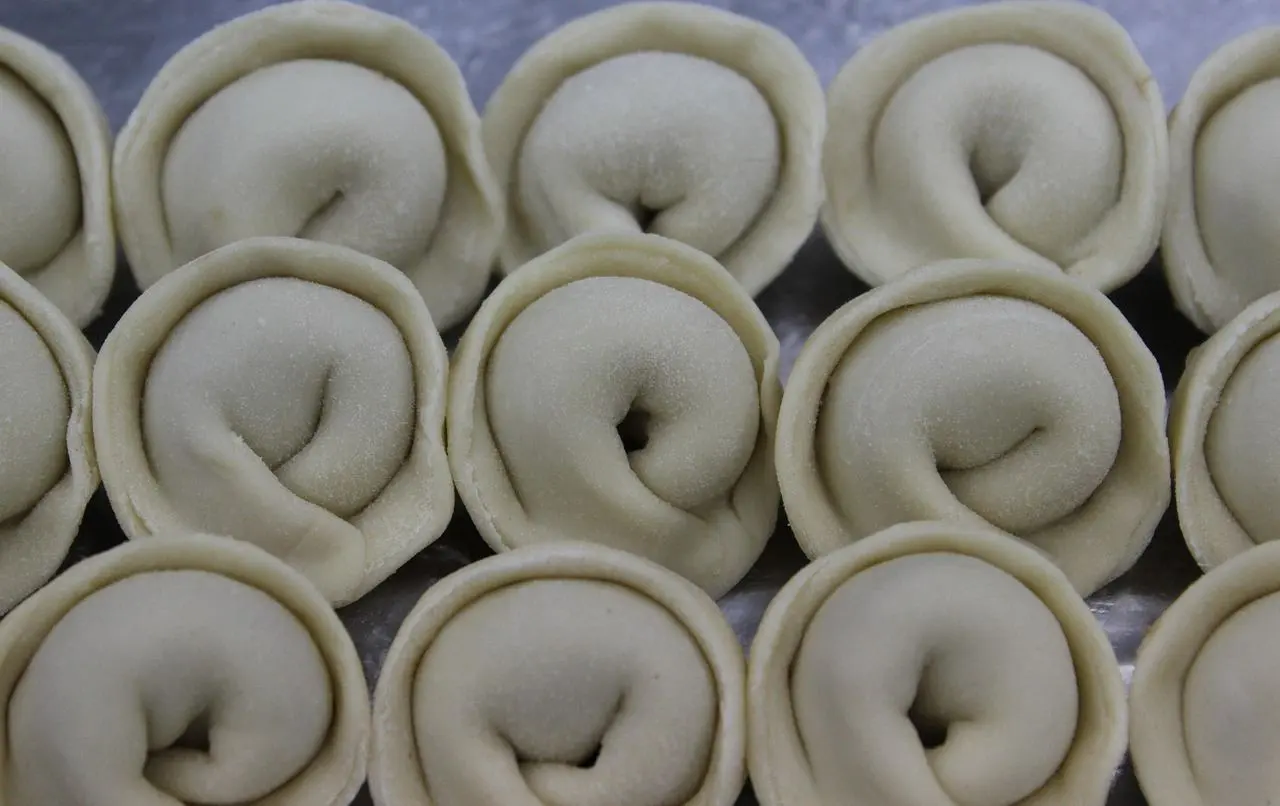
A finished pelmen is small: about two to three centimetres in diameter. Keep them in a single layer on a floured tray as you work.
Boiling, frying and serving
Boil pelmeni in salted water until they float, then two to five minutes more, as Wikipedia describes. The same page says Urals cooks use plain water, while Siberians use salted water or sometimes meat or chicken broth.
Cook in small batches. Tasting History boils 6 to 8 pelmeni at a time and stirs so they don’t stick, and The Splendid Table cooks each batch for 5 minutes in a bay-leaf broth. Cut one open to check the meat is done.
For a crisp finish, some traditional recipes fry the boiled pelmeni until golden brown.
- Butter or smetana (sour cream), with mustard, horseradish, tomato sauce or vinegar on the side, per Wikipedia.
- Siberian style: a sprinkle of vinegar and freshly ground pepper.
- Soy sauce, which is common in the Russian Far East.
- A dollop of smetana and a few sprigs of fresh dill, the Tasting History serving for pan-fried pelmeni.
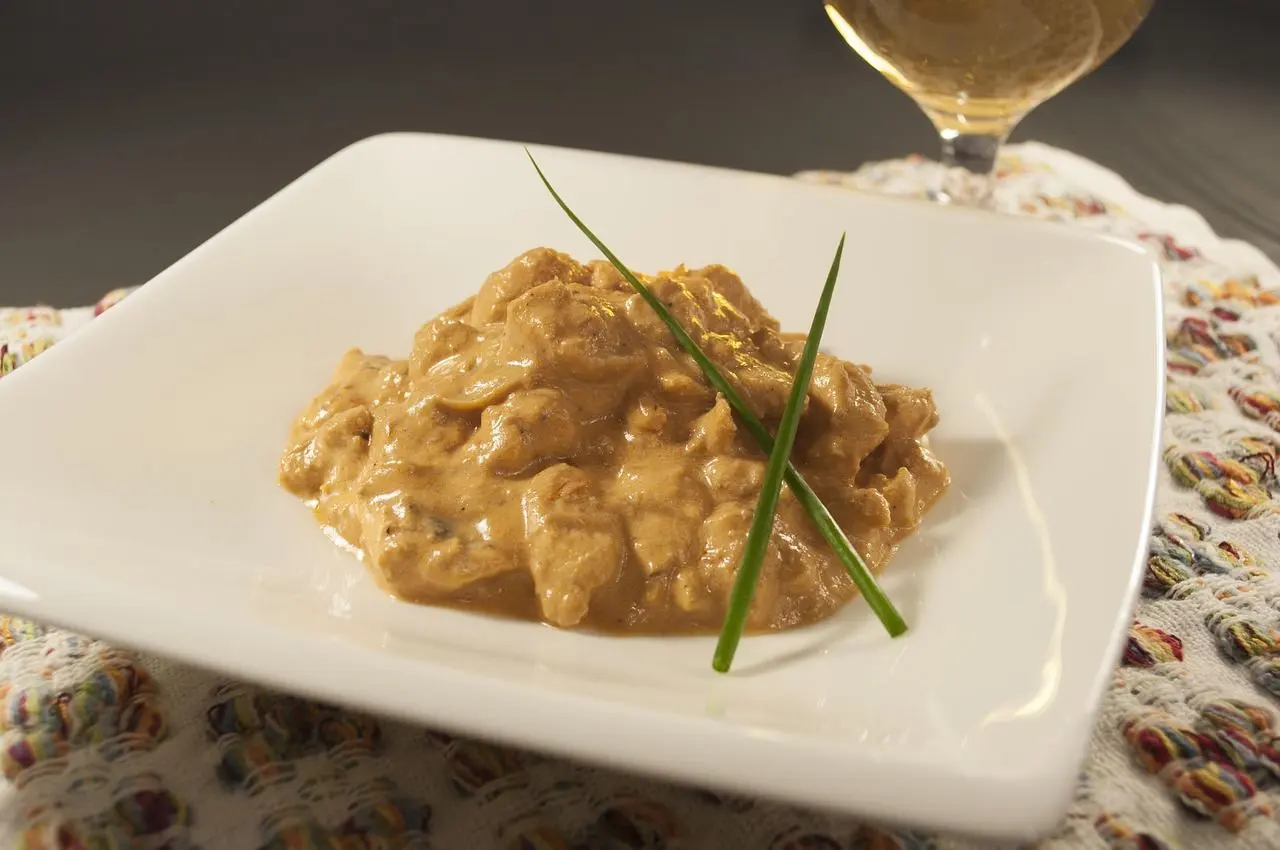
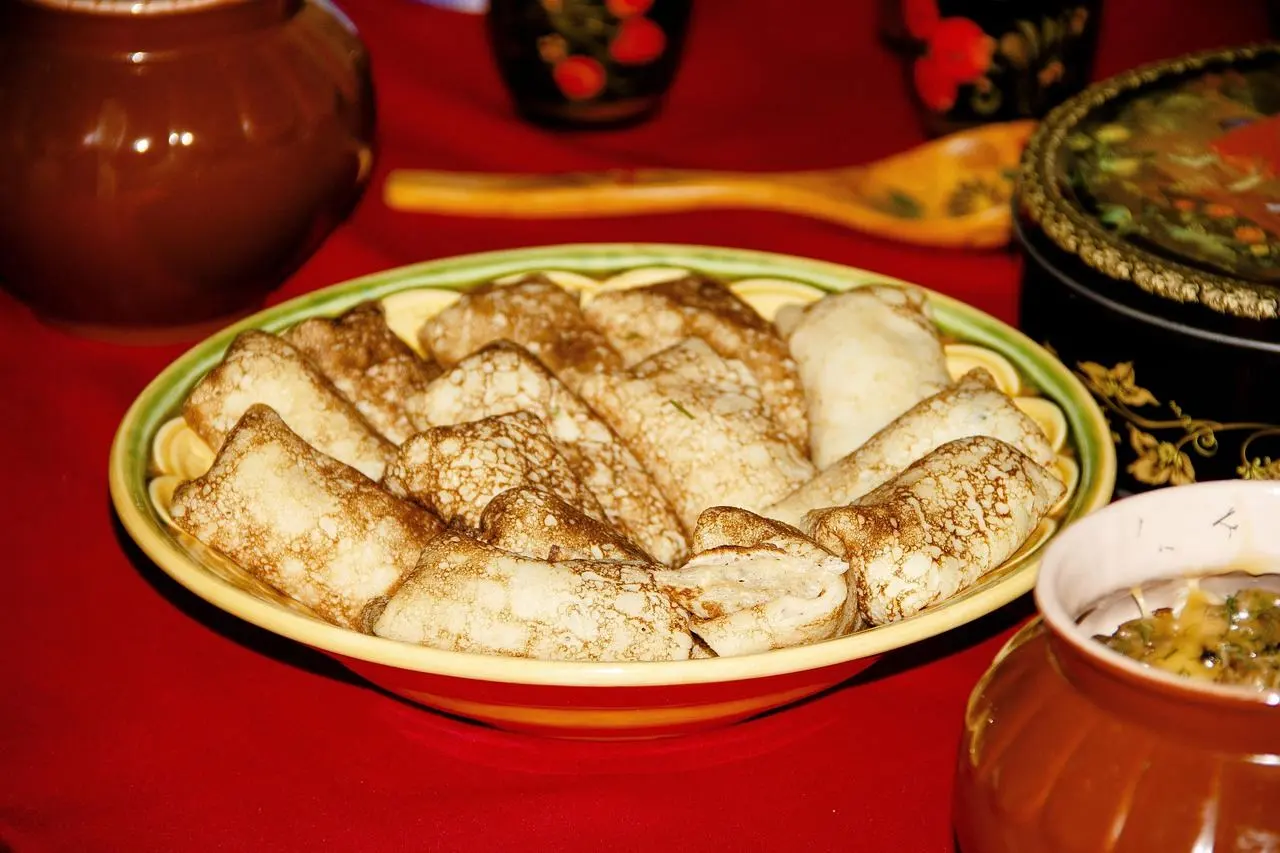
When you want more Russian cooking after this dish, try the beef stroganoff recipe for a saucier meal. The blini recipe is a good choice if you want something lighter.
Freezing and storing pelmeni
Pelmeni were made to be kept. In Siberia, they are traditionally frozen outdoors in winter and treated as preserved food.
At home, SBS Food advises you to freeze them raw and cook them to order. Dust the dumplings lightly with flour first, as Tasting History notes Siberians do, so they do not stick together.
Lay them flat in a freezer bag, which The Splendid Table says they handle well. Cook them straight from frozen in the same boiling water, allowing a little extra time.
Frequently asked questions
Are pelmeni the same as pierogi?
Show answer
No. Wikipedia states that pelmeni are never served with a sweet filling, which sets them apart from vareniki and Polish pierogi, which sometimes are.
Why do my pelmeni split open while boiling?
Show answer
Usually the dough was rolled unevenly or the edges were not pinched shut. SBS Food warns that rushing risks tearing the dough or failing to secure the filling before cooking.
What does the name pelmeni mean?
Show answer
It means “ear bread”. The Moscow Times traces the word to the Permian words “pel” (ear) and “nyan” (bread).
Should I add fresh herbs?
Show answer
You can. The Splendid Table recipe author notes that fresh herbs were not common in the old winter dish, but recommends trying dill and other herbs today.