Wondering what shapes russian food culture? You will find it in bread and salt, daily soup, long fasts and generous feast tables. This guide maps the meals, history and traditions behind it.
| Item | Value |
|---|---|
| Main eras of Russian cuisine | Four main eras |
| Time given to religious fasts | Almost seven months of the year |
| Cold weather in some places | Nine months out of the year |
| Ethnic groups in Russia | Over 160 ethnic groups |
| Span of the country | More than 11 time zones |
The figures come from Advantour’s history of Russian cuisine and National Geographic’s Russia food feature. Figures like these can change, so check the source before you rely on them.
Where Russian food culture comes from
Russian cuisine is a reflection of geography, religion and everyday life, according to Advantour’s history of Russian cuisine. That is why regional and seasonal habits explain more than any single list of national dishes.
The same Advantour page divides the story into four main eras: Old Russian cuisine (9th-16th centuries), Old Moscow cuisine (17th century), the cooking of Peter and Catherine the Great (18th century), and Petersburg cuisine from the end of the 18th century to the 1860s. Over that span the cuisine added dishes and ingredients from other countries, along with religious dishes and meanings.
Wikipedia’s overview of Russian cuisine traces the foundations to peasant food in an often harsh climate, with plentiful fish, pork, poultry, caviar, mushrooms, berries and honey. Crops of rye, wheat, barley and millet then supplied a plethora of breads, pancakes, pies, cereals, beer and vodka.
Written recipes are scant until the 18th century, as the same Wikipedia article points out. One notable early work is the Domostroy, which gives instruction for storing ingredients and serves as a reference for the meals eaten through the year for festivities and different seasons.
Not everything survived. Advantour says that historical shocks, globalization and the retreat from traditions meant many traditional Russian recipes have been lost to time. If you want the dishes that did endure, our guide to traditional russian food walks through them one by one.
What does a Russian table look like day to day?
A few staples show up again and again in SBS Food’s primer and Babbel’s culinary tour.
- Soup as the daily anchor
- Kasha, the cereal porridge
- Bread with real symbolic weight
- Potatoes and a mayonnaise-friendly pantry
- Pickled and fermented vegetables
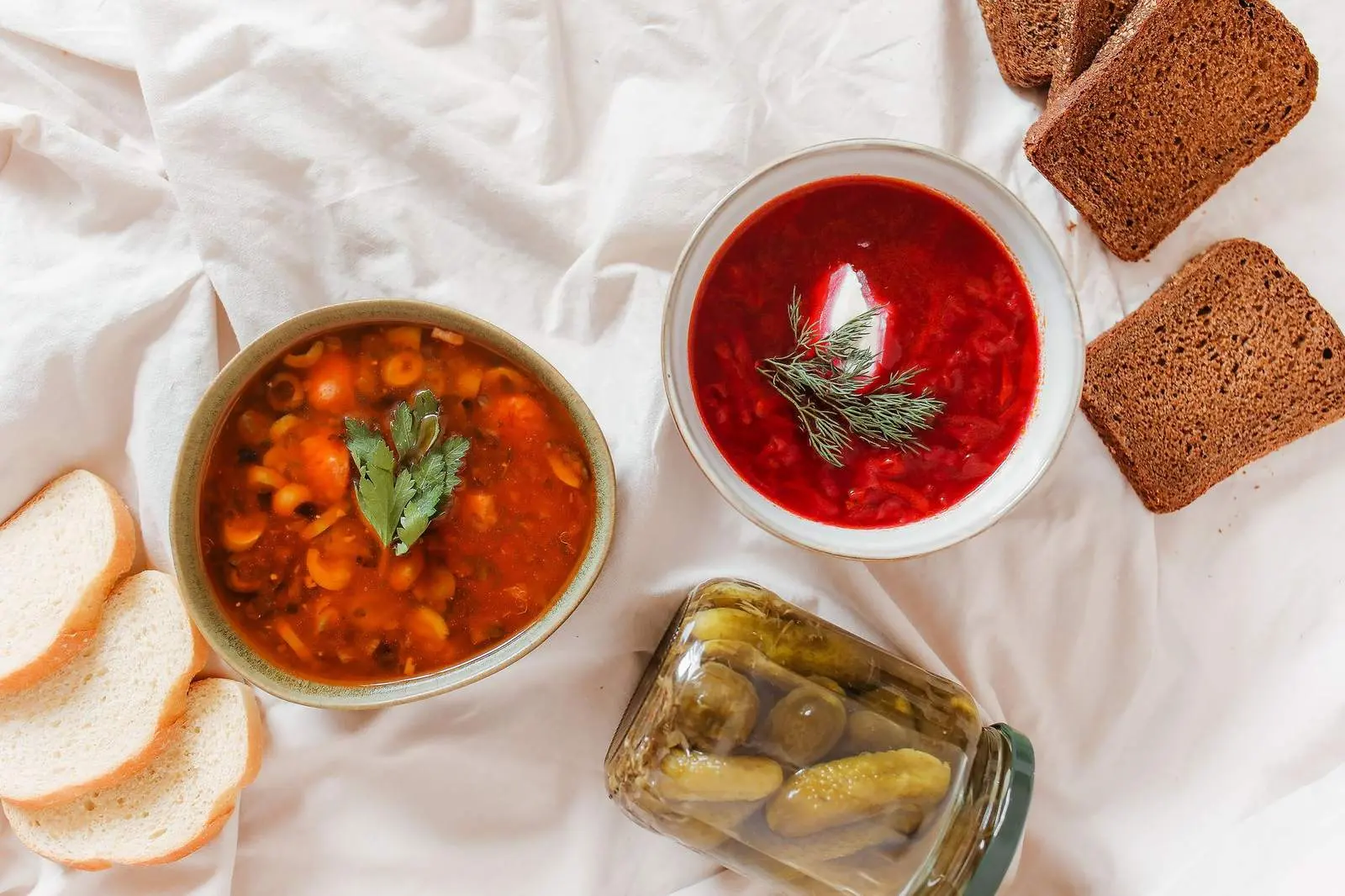
According to SBS Food, soup is an essential part of each day for most Russians, eaten at lunch or served first before a main dish. Popular choices include borscht, solyanka, mushroom soup and ukha, the country’s oldest recorded soup. Babbel adds shchi, built on white cabbage or sauerkraut simmered in meat stock and served with sour cream.
In many Slavic languages kasha means any cereal-based porridge, while grechnevaya kasha is made specifically from buckwheat, Babbel explains. It can also be eaten sweet for breakfast with a little milk and sugar. For more morning dishes, see our guide to russian breakfast foods.
Another breakfast favorite is syrniki, which SBS Food calls Russia’s hotcakes. They are made from tvorog, a beloved farmers cheese similar to cottage cheese.
Bread carries meaning as well as calories. National Geographic notes that it symbolizes fertility, hospitality, well-being and survival, and singles out Borodinsky, a black bread that tastes of coriander and molasses.
SBS Food reports that Russia produces almost 500 pounds of potatoes per person per year. It also names mayonnaise as the go-to marinade, dressing and condiment of choice for Russians since Imperial times.
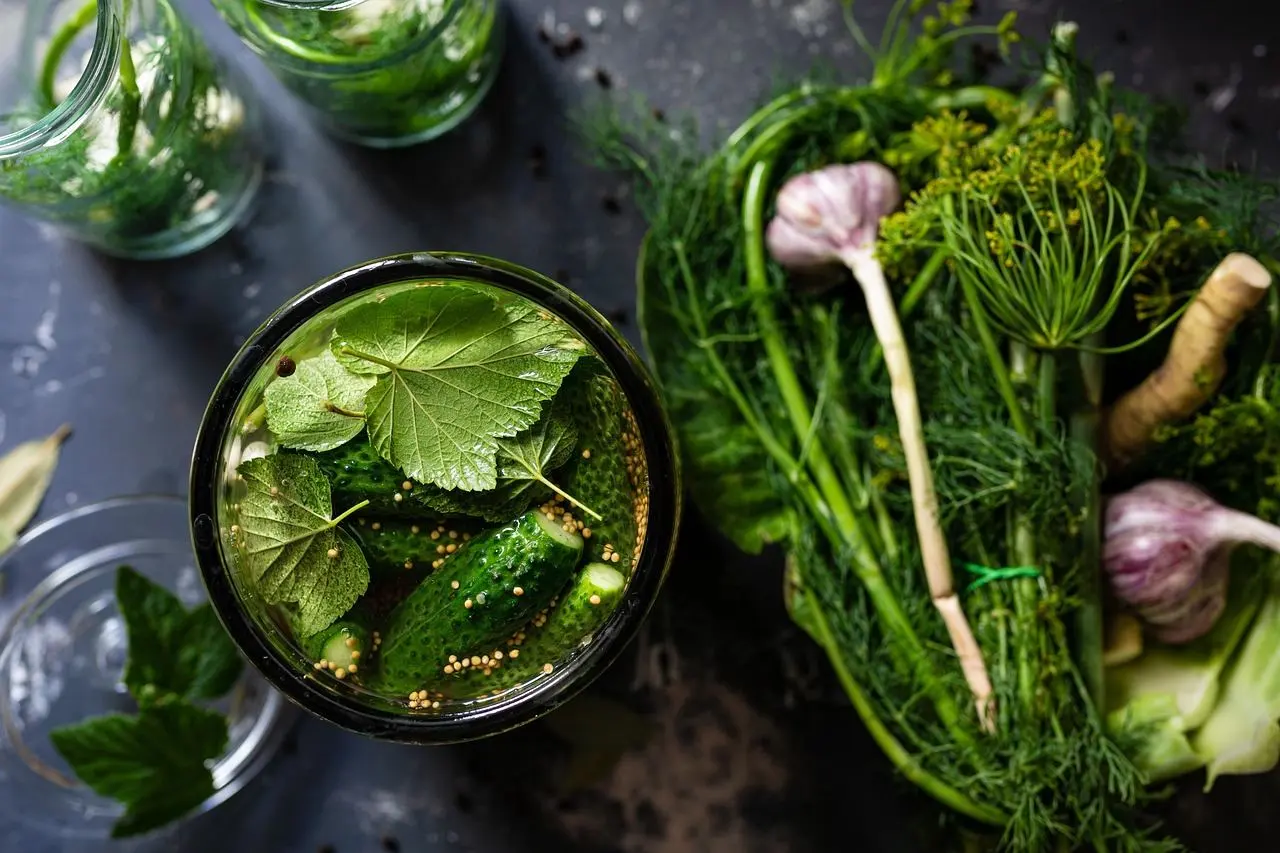
Preserving is the quiet backbone of the table. Since cold weather could last nine months out of the year in some places, households salted, smoked, soaked and fermented as much food as they could, Advantour says. Babbel agrees that Russian kitchens are always bursting with pickled vegetables, and our list of russian pantry ingredients shows what to stock if you want to cook this way.
Fasting, feasts and holiday tables
With the arrival of Christianity, Russian foods split into two types, fasting and non-fasting, according to Advantour. Almost seven months of the year carried some sort of fast, which usually meant limiting meat. Housewives kept an arsenal of soups, porridges and baked goods ready, so there was plenty to eat even then.
Feasts were the release. The Advantour guide to holiday foods describes four big occasions below, and each had its own symbolic dishes.
Christmas
Tradition called for 12 dishes at Christmas, one for each of the 12 days between Christmas and the Baptism of the Lord, Advantour reports. Christmas Eve centered on vzvar, made of boiled nuts, raisins and honey, and kutia, a sweet porridge with nuts, raisins and honey. The sweeter and richer the kutia, the bigger the next harvest was expected to be.
Once the fast ended, the most common poultry dish was goose, stuffed with different fillings and baked whole. Sweet pierogies, souffles and jams let a housewife show off her skills after the long fast.
Maslenitsa
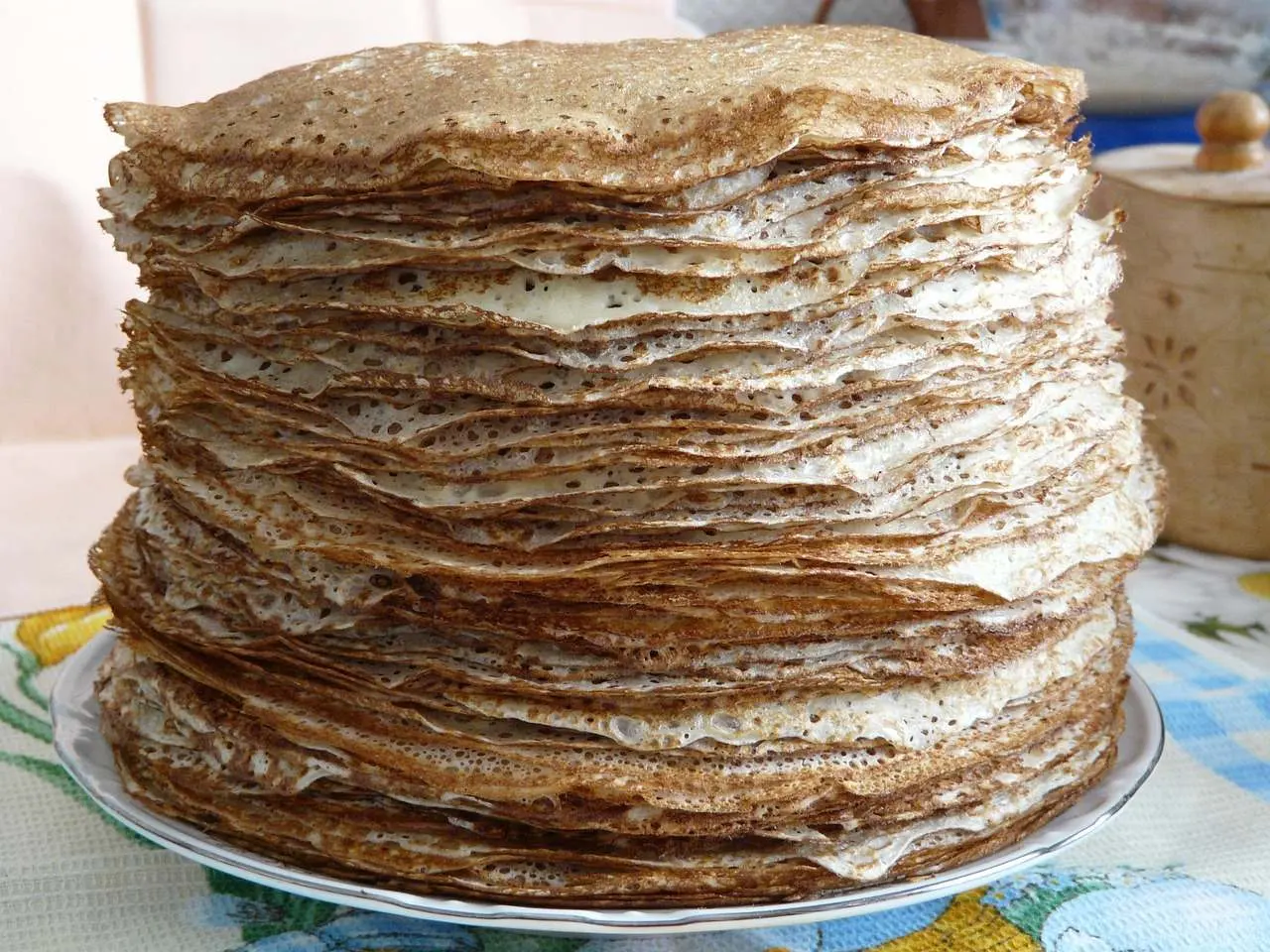
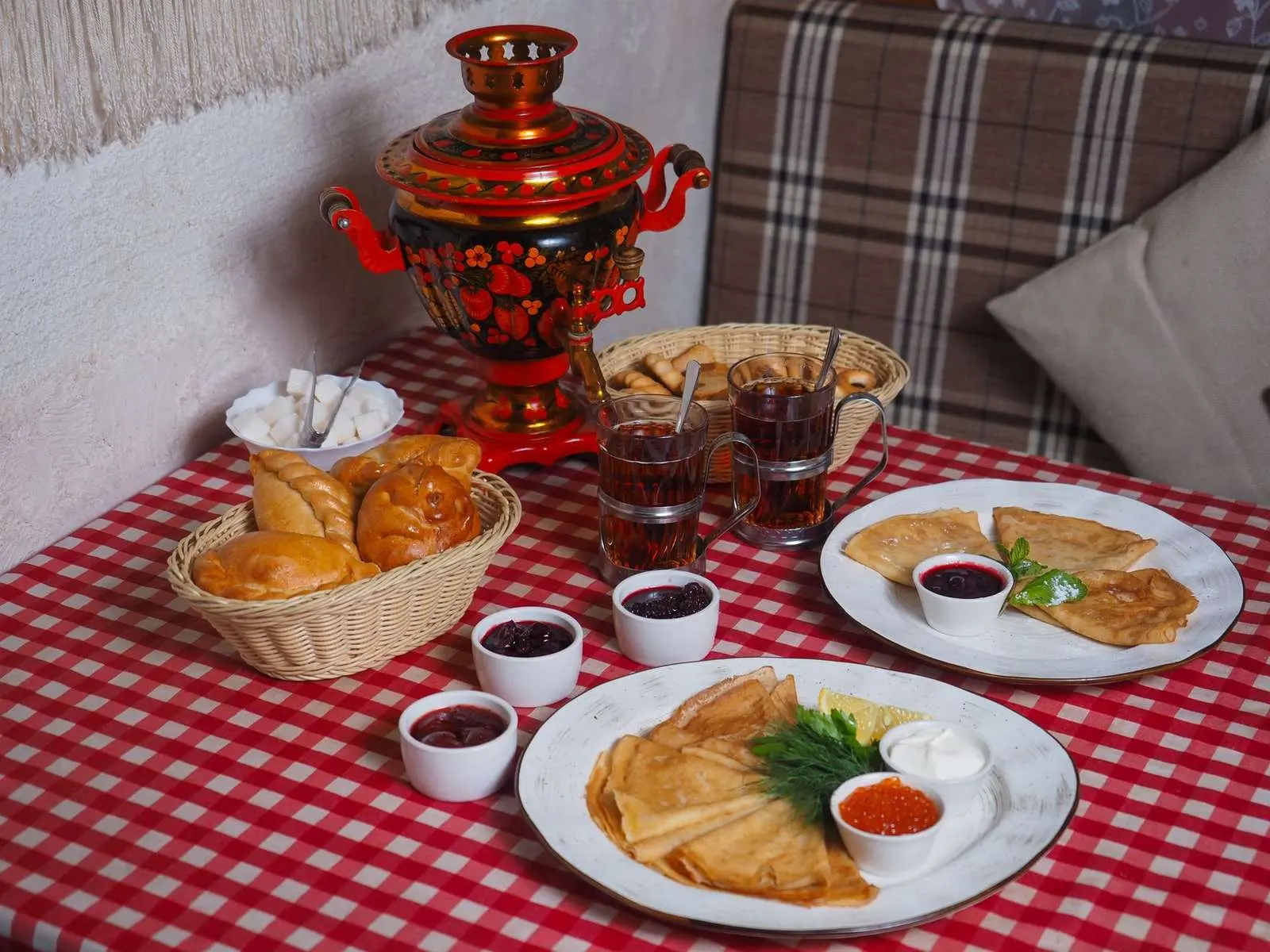
Advantour calls Maslenitsa the brightest holiday before Great Lent, a transition from winter to spring celebrated in both villages and cities. SBS Food adds that the round shape of the blini symbolizes the sun, and that making a good batch was believed to bring health and prosperity for the year ahead.
The week opened with Meat Sunday, the last day meat was allowed before fasting began, and the first pancake was thrown out the window to feed the spirits of ancestors. Our page on maslenitsa food covers the rest of that week of pancakes.
Easter
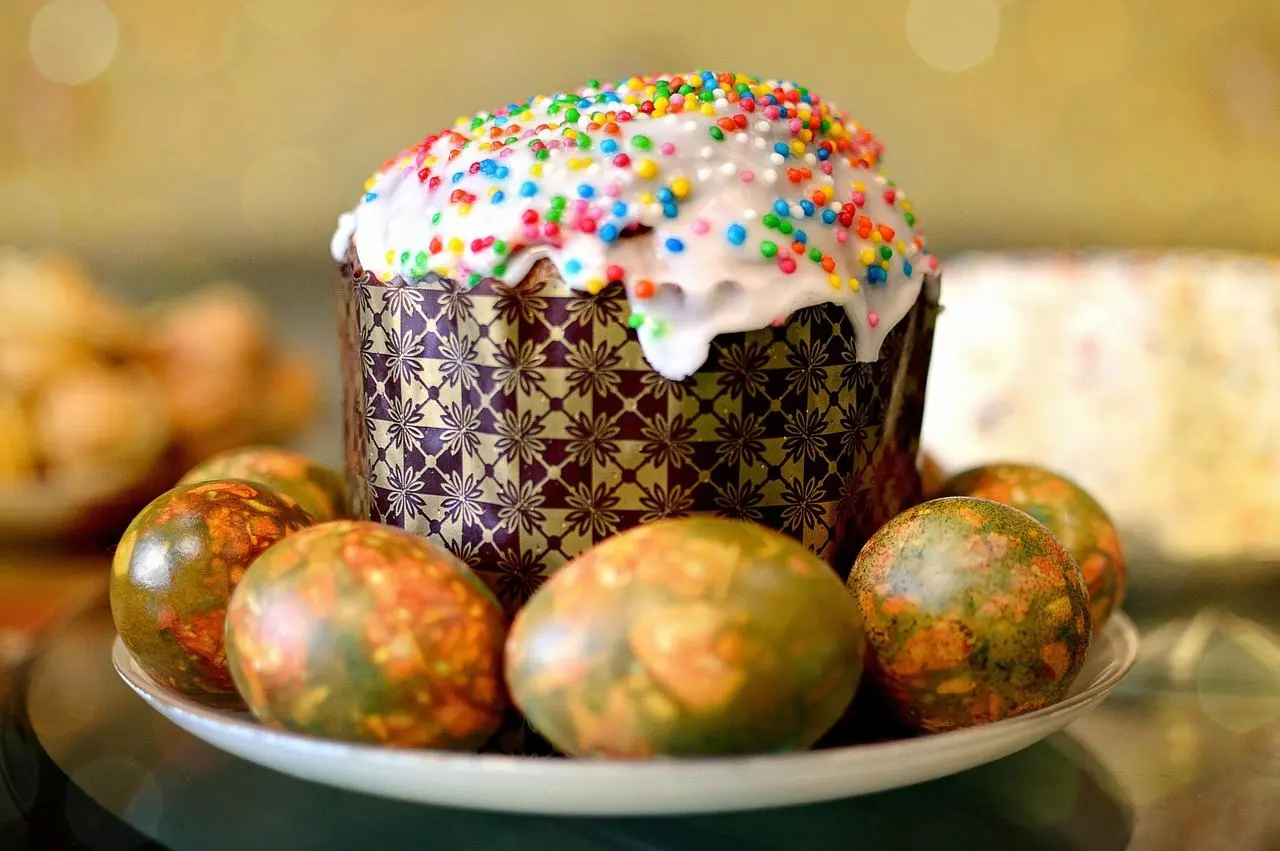
After Great Lent came Easter, and the holiday-foods guide says three main dishes had to be on the table. Kulich is a rich cake baked vertically, and a properly baked one could stay fresh for up to forty days. Paskha is a small pyramid that symbolizes Calvary, made of tvorog, eggs, sugar, cream, butter, candied fruits, raisins and cinnamon.
The third essential was dyed eggs. Eggs dyed evenly in one color were called krashenky, while pysanky had designs drawn on in wax, and traditional eggs were dyed using a strong blend of onion skins. Our guide to kulich and paskha explains the two showpieces in more detail.

Weddings
The most traditional dish at a Russian wedding was korovai, a large decorated loaf, according to Advantour. The most important pie was the kurnik, filled with chicken and wheat to represent prosperity and fertility. The whole celebration could last three days and involve the whole village.
Dishes that shaped Russian cooking
Google Arts & Culture says Russian national cuisine spans cultures, ethnic groups and influences across borders. Together with Babbel’s tour, it highlights a short list of dishes that explain a lot.
- Vinaigrette: a medley of diced beetroots, potatoes, carrots, onions, sauerkraut and brined pickles.
- Olivier salad: the festive salad of potatoes, carrots, pickles, peas, eggs and mayonnaise.
- Herring under a fur coat: a layered salad traditionally eaten around New Year’s Eve.
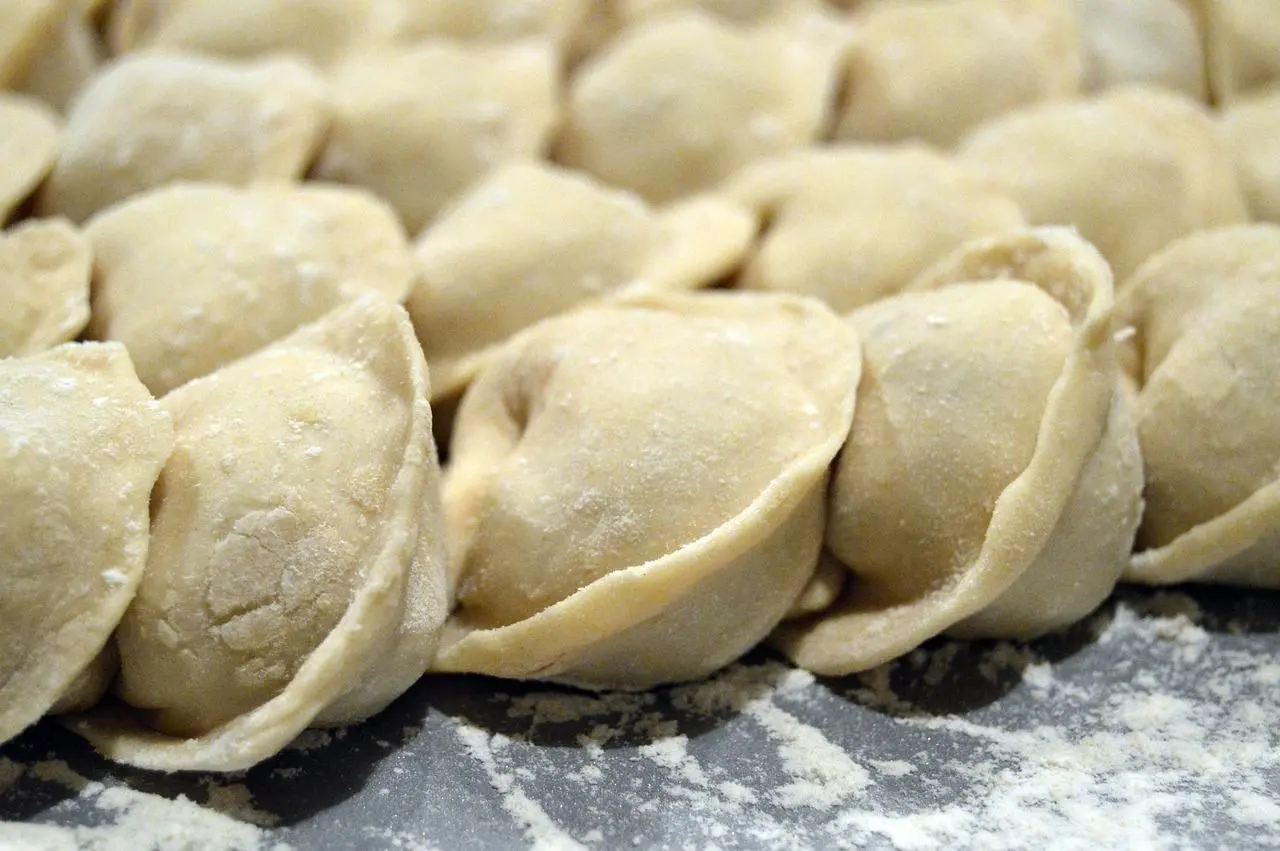
- Pelmeni: thin-dough dumplings, usually filled with minced meat.
- Borscht: a beetroot soup whose name derives from the Slavic word for cow parsnip.
- Beef Stroganoff: stewed beef in a sauce based on smetana, a type of soured cream.
- Okroshka: a cold soup of raw radish and spring onion with cooked meat, boiled potatoes and egg, dressed mainly with kvass.
- Shashlik: skewered cubes of meat, a firm favorite across the Caucasus region and beyond.
Olivier shows how a dish can change while its name stays. In the 1860s French chef Lucien Olivier ran a Moscow restaurant whose house specialty used wild hazel grouse, black caviar and boiled crayfish, per Babbel. Under the Soviets the one-time specialty became a staple of feast days, and the ingredients were simplified.
Pelmeni have their own origin puzzle. National Geographic says they may have reached Siberia from China, or perhaps during the Mongol invasion of the 13th century, and that frozen ones could be stored all winter under the snow.
Beef Stroganoff has a modern footnote. SBS Food noted that the most Googled dish of 2017 was this humble comfort dish. According to Google Arts & Culture, it carries the name of the Stroganov family, the wealthiest merchants of Tsarist Russia.
Cold soups lean on drinks as well. Kvass is a non-alcoholic fermented drink made with rye bread, and it is only one of the russian drinks worth knowing. When you are ready to cook, our collection of russian recipes is the place to start.
Hospitality and the shared table
Feasting was a family affair. Advantour says whole families gathered at one table where each member had a place, and in some places a setting was even reserved for the dead, who were served food and drinks.
Hosts tried to feed guests until they could eat no more, and refusing food was seen as disrespect toward the host, according to the same guide. Our overview of russian table etiquette explains how those expectations play out today.
Welcome rituals start with bread. National Geographic notes that guests are traditionally greeted with bread and salt, or sometimes with an extravagantly decorated karavai loaf.
The same writer recalls a first Russian spread of homemade pickles, palm-size pirozhki stuffed with meat or cabbage, and sculpted domes of tiny cubes of cucumbers, beets and cheese, and those were only the zakuski, or appetizers. Our guide to zakuski shows how to build that opening course.
Regional variety and outside influences
Russia spans more than 11 time zones and over 160 ethnic groups, so National Geographic calls it a vast landscape for culinary exploration. The diversity is visible on a plate: smelt from the Gulf of Finland, and pelmeni that could survive Siberian snowdrifts.
Foreign hands shaped the cuisine too. Babbel says the Tsarist nobility’s fondness for French delicacies, along with new trade routes to the West and East, altered the Russian palate forever. The French connection even named the vinaigrette: Google Arts & Culture credits chef Antoine Careme, who came to Saint Petersburg in the early 19th century at the invitation of Tsar Alexander I, as the source of the name.
Older contact mattered as well. Wikipedia says dishes such as lapsha and dumplings were influenced by neighboring Steppe cultures, the period of Mongol and Turkic conquest, and later Russian conquests such as the Khanates of Kazan and Astrakhan.
The exchange continues. Babbel notes that former Soviet states like Georgia, Armenia and Uzbekistan still shape Russia’s culinary landscape, and that you can try the Georgian equivalent of pelmeni, khinkali, or the Uzbek manti.
Frequently asked questions
Is borscht Russian or Ukrainian?
Show answer
It belongs to a wider region. Babbel says it is not limited to Russia, appearing in one form or another on traditional menus across Poland, Ukraine, Belarus, Lithuania and Romania.
What is the difference between pirogi and pierogi?
Show answer
Babbel describes Russian pirogi as baked yeast dough pastries that can hold meat, fish, potatoes, cabbage, rice, quark or fruit, whereas Polish pierogi are a type of filled pasta.
Is Chicken Kiev really Russian?
Show answer
Probably, though nobody is sure why it got its name. SBS Food says its origins are thought to lie in early 19th-century Russia, when French food was extremely fashionable and Russian chefs were sent to Paris to train.
Where can visitors try everyday Russian food?
Show answer
Look for a stolovaya, a public canteen. Babbel says these canteens are a good place to find typical traditional food in most Russian cities.
Why do blini and cheese dominate the week before Lent?
Show answer
Because dairy and eggs were about to be banned. Advantour says the final week before Great Lent was the last chance for cheese and blini made with butter, eggs and milk.