Not sure where to start with traditional Russian food? Begin with borscht, pelmeni, blini and a layered salad or two. Those dishes cover most of what Russian tables are known for.
This guide sits inside our wider look at russian food culture, so use it as a starting menu.
| Item | Value |
|---|---|
| Blini enjoyed by Slavic peoples | since at least the 9th century |
| Olivier salad first served in Moscow | 1860s |
| Fasting before Orthodox Easter (Great Lent) | 40 days |
| Russian potato production | almost 500 pounds per person per year |
These figures come from Babbel’s culinary tour of Russia and SBS Food’s primer on Russian food. Figures can change, so check the source before you rely on them.
What counts as traditional Russian food?
Russia spans more than 11 time zones and over 160 ethnic groups, according to National Geographic, so no single plate defines the national table. Babbel adds that the Tsarist nobility’s fondness for French delicacies and new trade routes to the West and East reshaped the Russian palate; you can read that in its tour of Russian cuisine.
Bread sits at the center of it all. National Geographic describes the custom of greeting guests with bread and salt, sometimes with an extravagantly decorated karavai loaf, and praises the dark Borodinsky loaf that tastes of coriander and molasses (source).
The classics below fall into four groups:
- Soups, from hot borscht to cold okroshka
- Dumplings, pies and pancakes
- Salads and pickled zakuski
- Porridge and hearty mains
Soups that anchor the daily meal
Soup is rarely an afterthought. SBS Food says most Russians treat it as an essential part of each day, eaten at lunch or served first at lunch and dinner before a main dish.
- Borscht: the famous beetroot soup.
- Shchi: a cabbage soup finished with sour cream.
- Ukha: fish soup, which SBS Food calls the country’s oldest recorded soup.
- Solyanka: a sweet and sour beef and pork soup.
- Okroshka: a chilled summer soup.
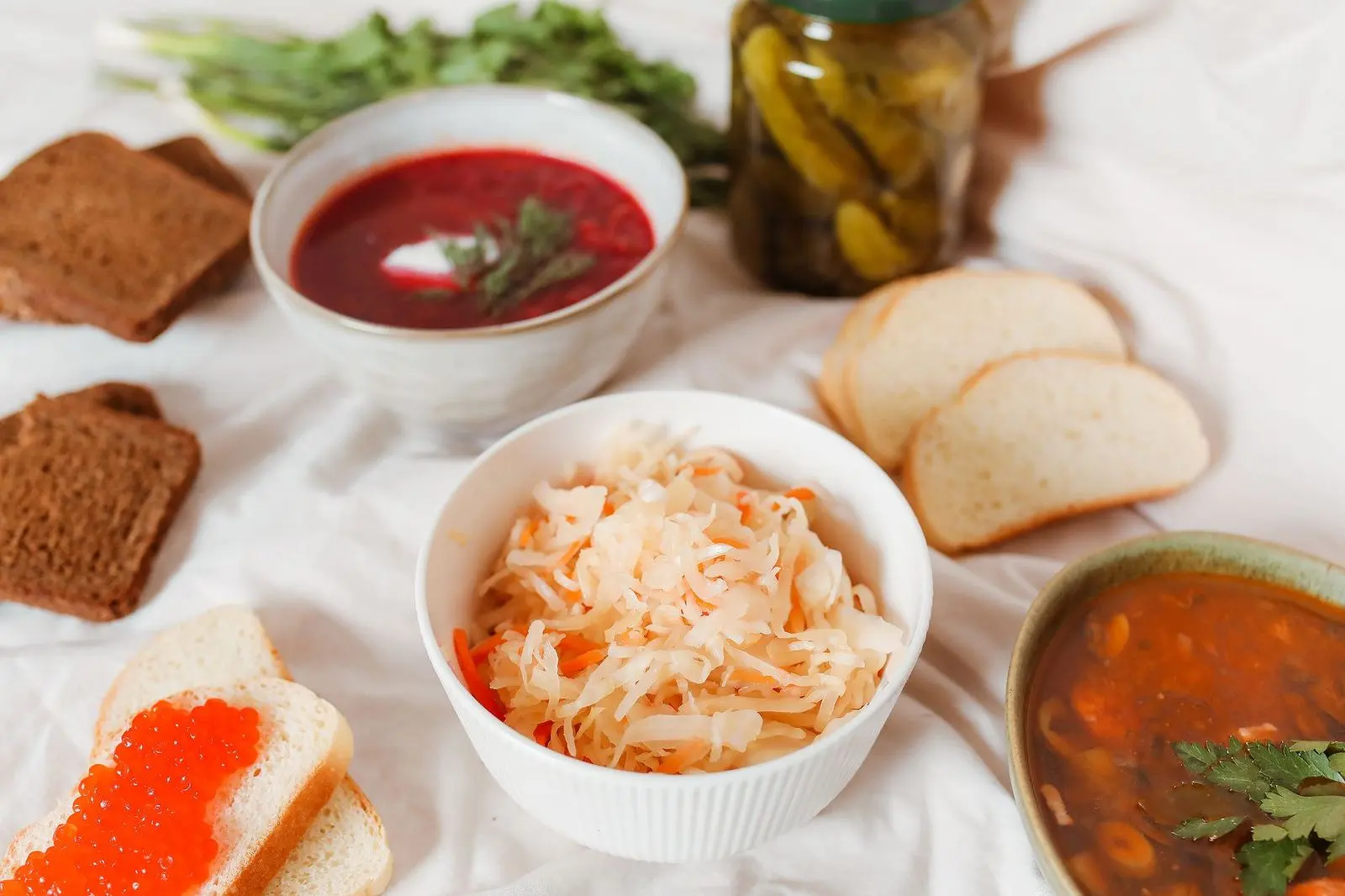
A proper borscht is meant to be so thick with vegetables that a wooden spoon can stand upright in it, as Babbel puts it. Beyond beetroot, Babbel lists onions, potatoes, tomatoes, carrots, cabbage and beef, simmered slowly for a long time.
Shchi starts from white cabbage or sauerkraut simmered in meat stock, and the same Babbel guide notes it is served with sour cream. Its gentle sourness makes it a good counterpoint to the richer borscht.
For hot weather, okroshka is the answer. Google Arts & Culture describes a cold soup of raw radish and spring onion with cooked meat, boiled potatoes and egg, moistened with kvass, a non-alcoholic fermented drink made from rye bread.
Dumplings, pies and pancakes
Pelmeni are small dumplings of thin dough around minced meat, and Google Arts & Culture places their origin in either the Ural or Siberia. SBS Food describes a filling of freshly minced pork, lamb and beef, served with melted butter, dill and a dollop of sour cream.
The Ural versions were traditionally made at the start of winter and stored outside to freeze, then boiled as needed, according to the same SBS Food article. That is practical cooking for a cold climate.
Do not confuse pirozhki with Polish pierogi. SBS Food explains that pierogi have a pasta-like dough and are typically boiled, while Russian piroshki are more like hand-pies with a pastry or dough-like crust that is typically baked (source).
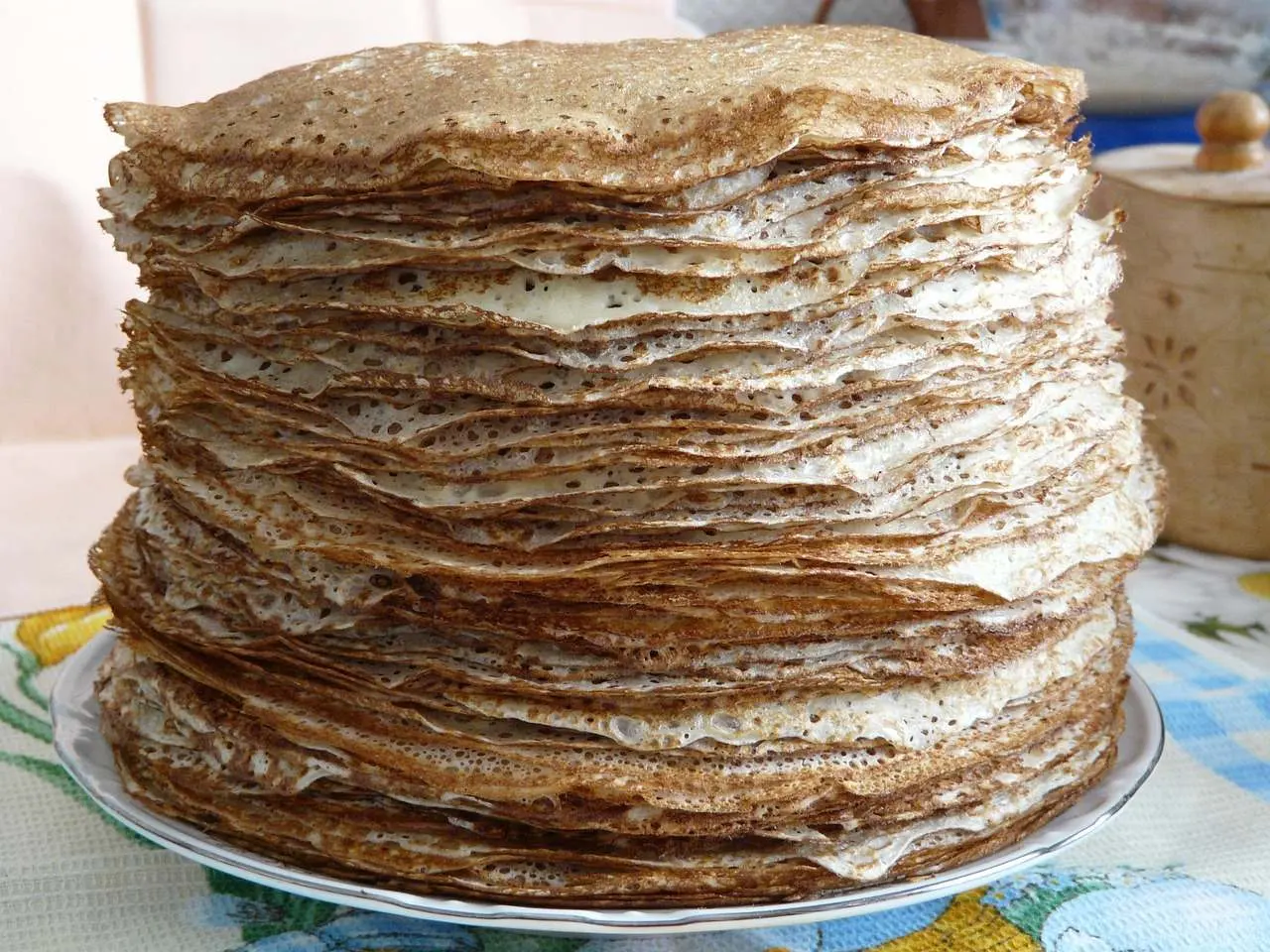
Blini are thin, round pancakes that Babbel says Slavic peoples have enjoyed since at least the 9th century. The feasting peaks at Maslenitsa, a week-long festival before the Orthodox Lent period.
The round shape of a blini symbolises the sun, and making a batch was believed to bring health and prosperity for the year ahead, per SBS Food. Toppings run from caviar and mushrooms to jam and honey.
Syrniki are the sweet cousins. Google Arts & Culture describes small pancakes made mainly from tvorog, a farmer’s cheese, with very little flour.
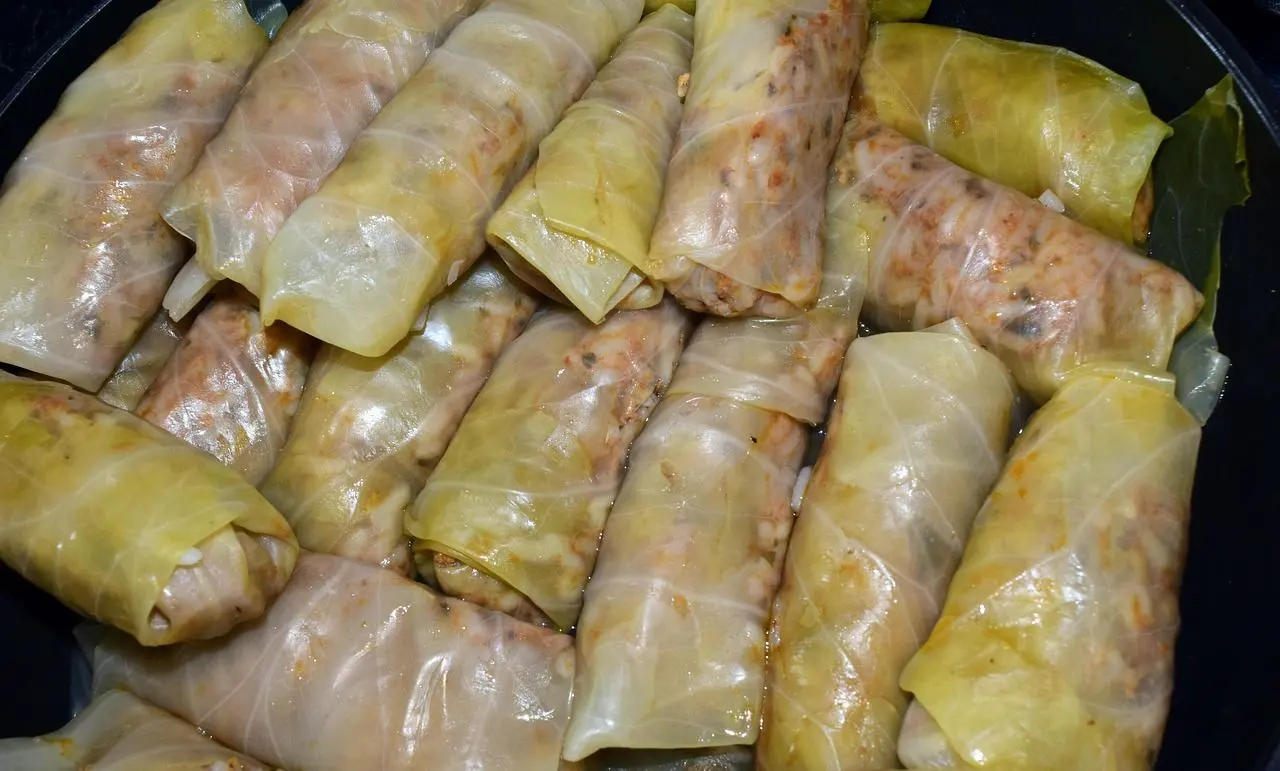
Salads and zakuski for the festive table
Olivier salad began in the 1860s, when French chef Lucien Olivier ran a Moscow restaurant whose house specialty used hazel grouse, black caviar and crayfish, says Babbel. Today’s classic version swaps those luxuries for boiled potatoes and carrots, pickled cucumbers, chicken, eggs, green peas and mayonnaise.
The vinaigrette is the vegetable option. Google Arts & Culture lists diced beetroots, potatoes, carrots, onions, sauerkraut and brined pickles in a sweet, bitter plate.
Then there is herring under a fur coat, a layered salad traditionally eaten around New Year’s Eve, per Babbel. The beetroot top layer gives it the red “fur coat” of its name.
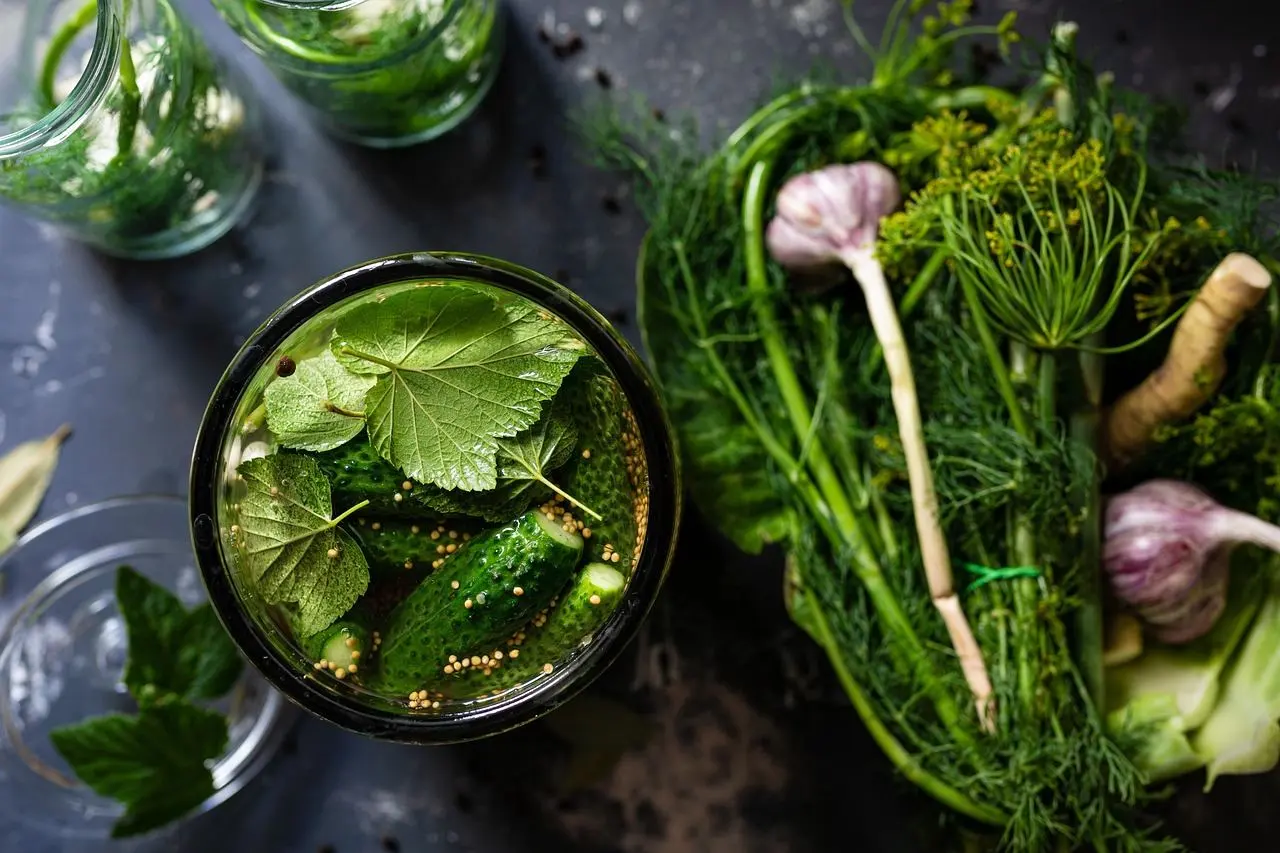
Pickles round out the spread. Babbel says Russian kitchens are always bursting with pickled vegetables (source), while SBS Food notes that mayonnaise has been the all-around condiment of choice for Russians since Imperial times.
Porridge and hearty mains
Kasha is the word for cereal porridge in many Slavic languages, and grechnevaya kasha is the buckwheat version, according to Babbel. It works as a savory side or a sweet morning bowl, and our guide to russian breakfast foods goes deeper on that side of it.
Beef Stroganoff is built on stewed beef and a sauce of smetana, a type of soured cream, says Google Arts & Culture. SBS Food reports it was the most Googled dish of 2017.
Chicken Kiev is another surprise. SBS Food calls it a Russian dish that came via France and was given a Ukrainian name in New York (source).
From the Caucasus comes shashlik, a forerunner of the shish kebab. Google Arts & Culture calls those skewered cubes of meat a firm favorite across the region and beyond.
Finally, the potato deserves credit. SBS Food says Russia produces almost 500 pounds of potatoes per person per year, and they turn up in soups, pirozhki and salads.
How to taste your way in
You do not need a full banquet. A simple order of tasting works well:
- Start with a bowl of borscht or shchi and a slice of dark bread.
- Add pelmeni with sour cream and dill.
- Share one salad, such as Olivier or the vinaigrette.
- Finish with blini or syrniki.
If you plan to cook at home, our guide to russian pantry ingredients is a sensible next stop. Buckwheat, beetroot, cabbage and sour cream appear again and again across these recipes.
Frequently asked questions
Is borscht only Russian?
Show answer
No. Babbel reports that you can find it, in one form or another, on traditional menus across Poland, Ukraine, Belarus, Lithuania and Romania, and that its name comes from the Slavic word for cow parsnip, a common medieval soup ingredient (source).
What do Russians eat at Easter?
Show answer
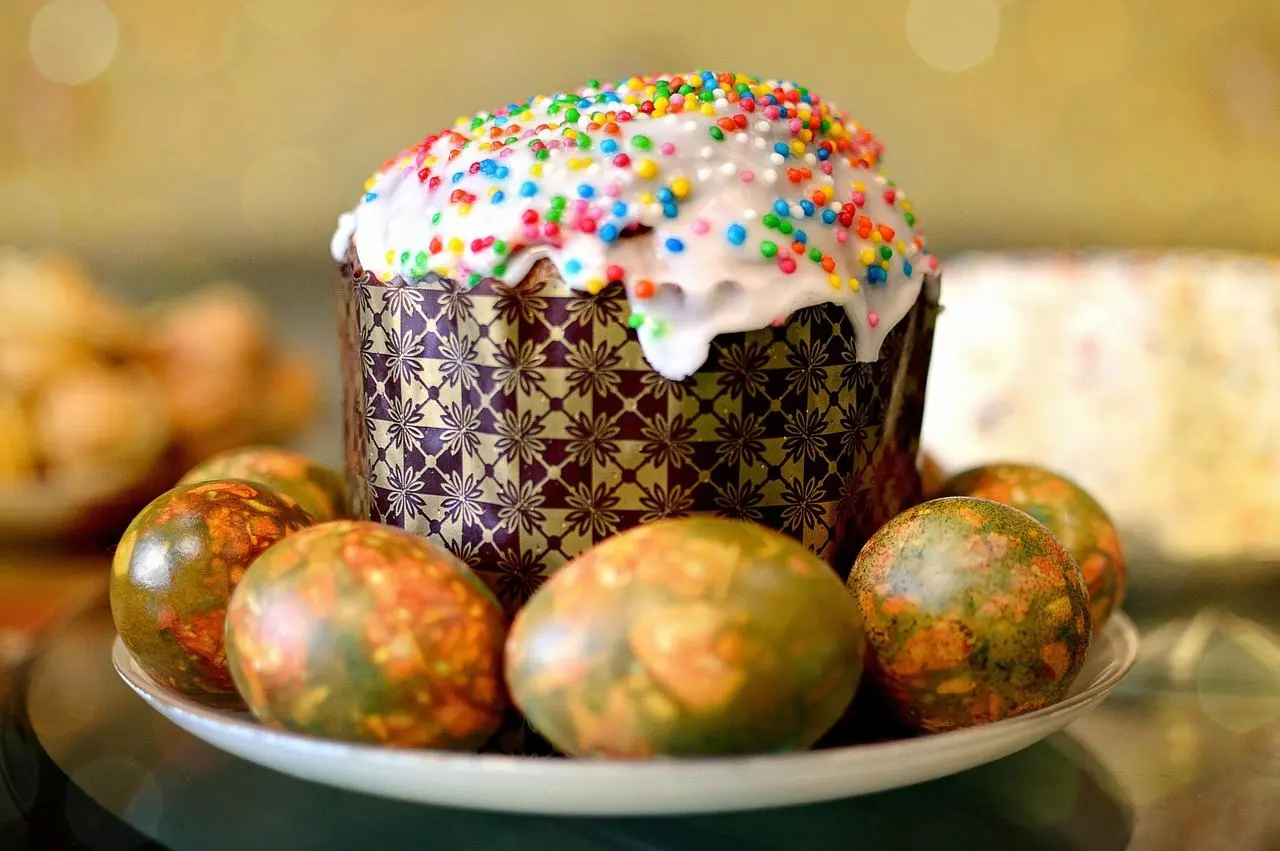
Orthodox families break the Great Lent fast with elaborate banquets. SBS Food says the day often starts with kulich, an Easter bread, and paskha, a sweetened Easter cheese.
Which dish should a first-timer try first?
Show answer
Pelmeni are a safe bet. A National Geographic writer calls them the gateway food for Russian cooking, with juicy, mild meat in soft dough warmed in broth and seasoned with fresh dill.
Where can I find everyday Russian food while traveling?
Show answer
Look for a stolovaya, a public canteen. Babbel says these are common in any Russian city and a good place to find typical traditional food.