Facing a table crowded with tiny plates and wondering where to start? Zakuski are Russian little bites: cold and hot appetizers laid out before the main meal, usually with vodka.
Zakuski sit at the heart of russian food culture, so this page covers the history, the dishes and the manners of the table.
| Item | Key fact |
|---|---|
| Literal meaning of the word | Little bites |
| Serving temperature | Cold or hot |
| Size of a grand spread | Over 20 hot and cold plates |
| Vodka at the centre of the classic table | Two or three different kinds of vodka |
| Where Soviet-era households served them | On the dinner table, due to lack of space |
These facts come from Wikipedia’s zakuski entry and Russian Life. Customs and descriptions can change, so check the source before you rely on them.
What are zakuski?
The word zakuski literally means little bites, according to Wikipedia. A single dish is a zakuska, and CooksInfo notes that a collection of them takes the plural form.
Food writers often call them Russia’s answer to tapas, a small bite to go with your drink, as NPR reported. The same report says the range runs from plain salted herring to blini topped with caviar.
In Russian homes the spread is an integral part of the festive meal and often of ordinary meals too, says Wikipedia. Its entry also explains that the term has shifted over time: it first meant pies and sweet delicacies served after a main meal.
Today the word can mean several things, as Wikipedia describes:
- a light course served before the main meal;
- a snack, sometimes eaten at a stand-up bar called a zakusochnaya;
- a bite meant to follow each shot of vodka or another alcoholic drink.
Where does the zakuski tradition come from?
Nobody can name the exact origin. Russian Life says the idea of a set appetizer table most likely travelled to Russia from Scandinavia, where a similar spread is known as the smörgåsbord.
The same article adds that Russian fish, mushroom and vegetable dishes were later joined by the hard cheeses and cured meats that Peter the Great met in the Netherlands. A food writer for NPR traces the spread back to czars’ tables of the 18th century, where hors d’oeuvres were often handed to standing guests outside the main dining room.
The custom suited country life. Russian Life explains that the gentry on their estates received visitors who faced bad roads and bad weather, so a table that stood ready at a moment’s notice let tired guests refresh themselves at once.
The spread even earned a place in literature: Russian Life points to the appetizer scene in Nikolai Gogol’s Dead Souls as a picture of the formal zakuska table.
What goes on a zakuski table
There is no fixed menu, though Wikipedia lists typical cold choices such as cold cuts, cured fish, mixed salads, kholodets (meat jelly), pickled vegetables, deviled eggs, hard cheeses, caviar, canapés and bread. Russian Life calls herring requisite and names hot- and cold-smoked sturgeon as a particular favorite.
A useful way to plan a spread is by group:
- Fish: herring, smoked salmon, sprats and caviar.
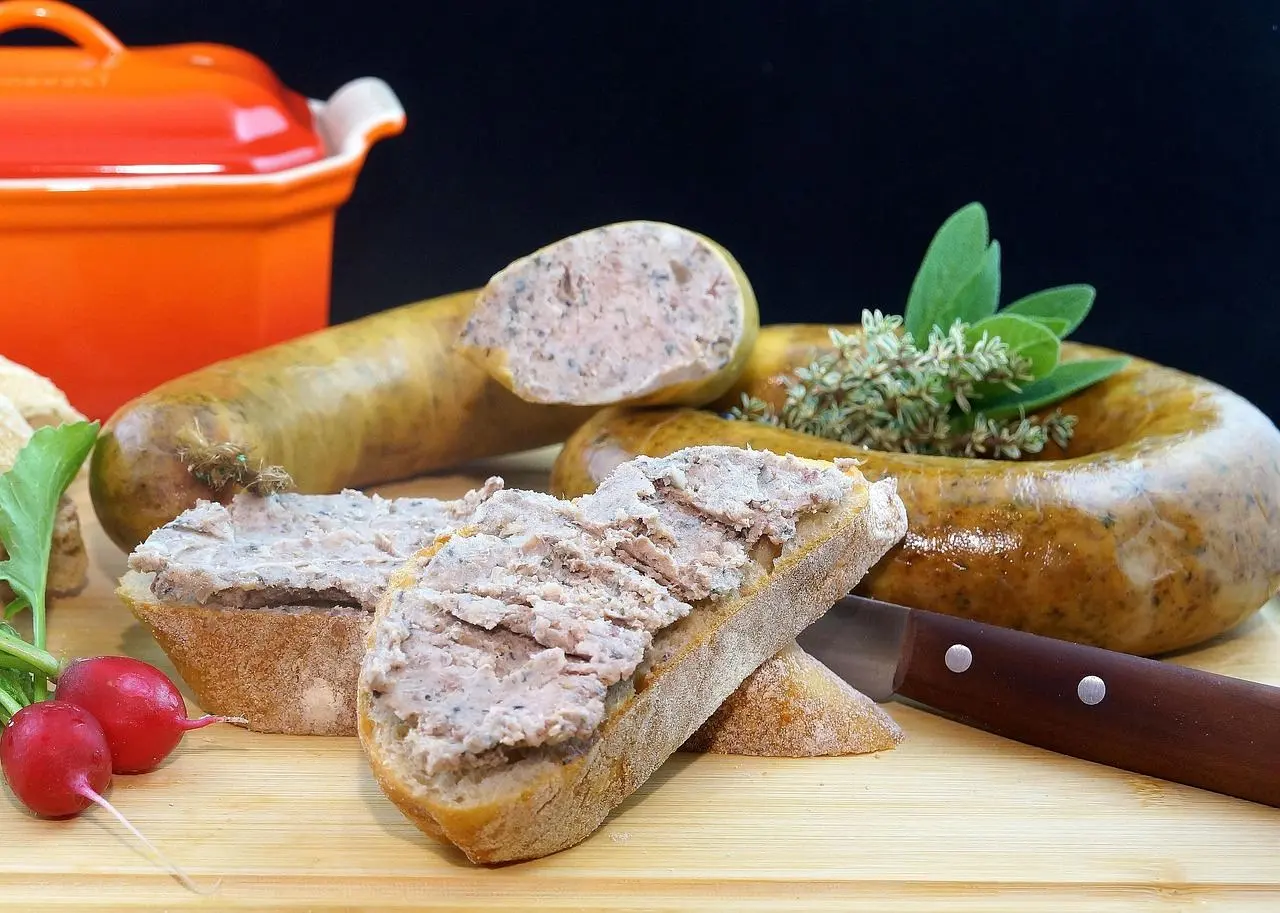
- Meat: tongue, ham, sausages and kholodets.
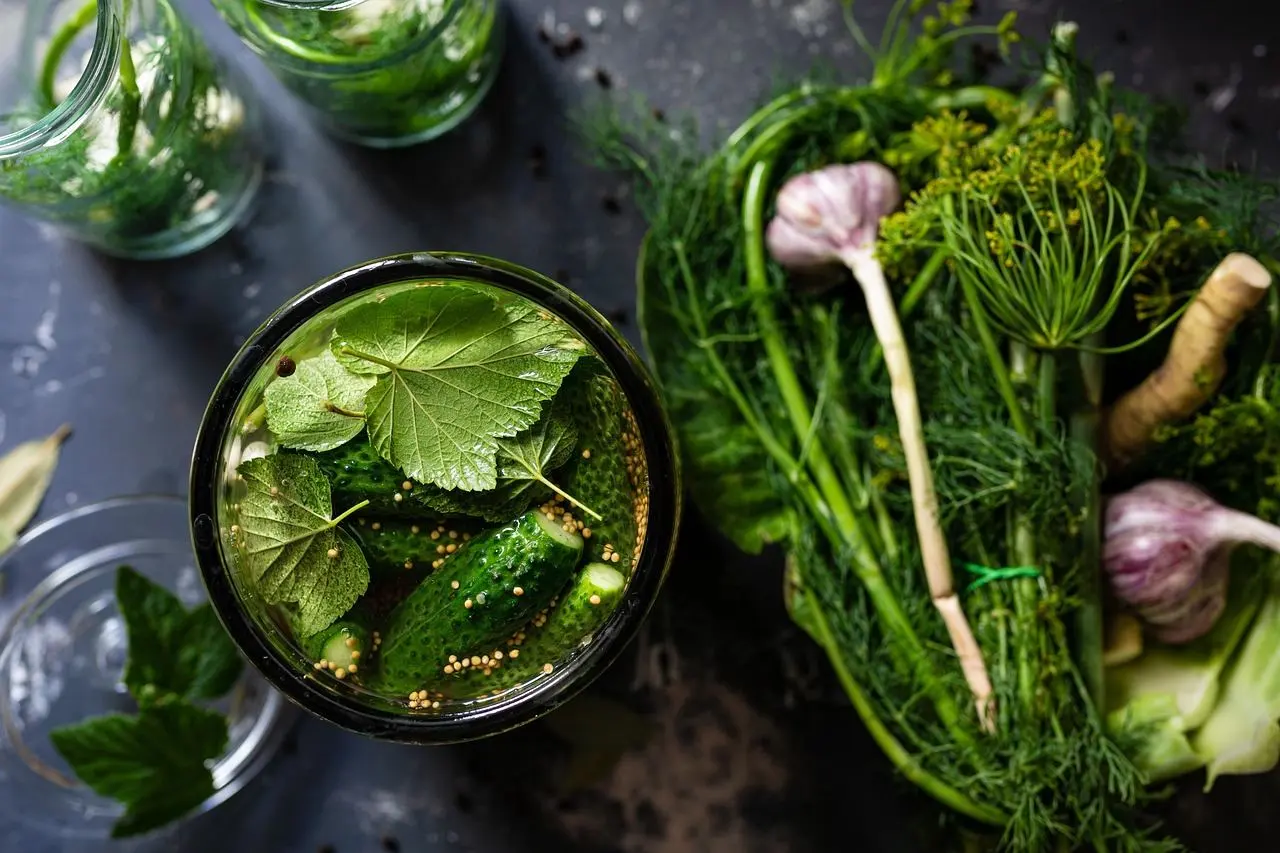
- Pickles and marinades: beets, cucumbers, green tomatoes, sauerkraut and mushrooms.
- Salads: Olivier and dressed herring.
- Bread and butter: black bread, thin slices and small buns.
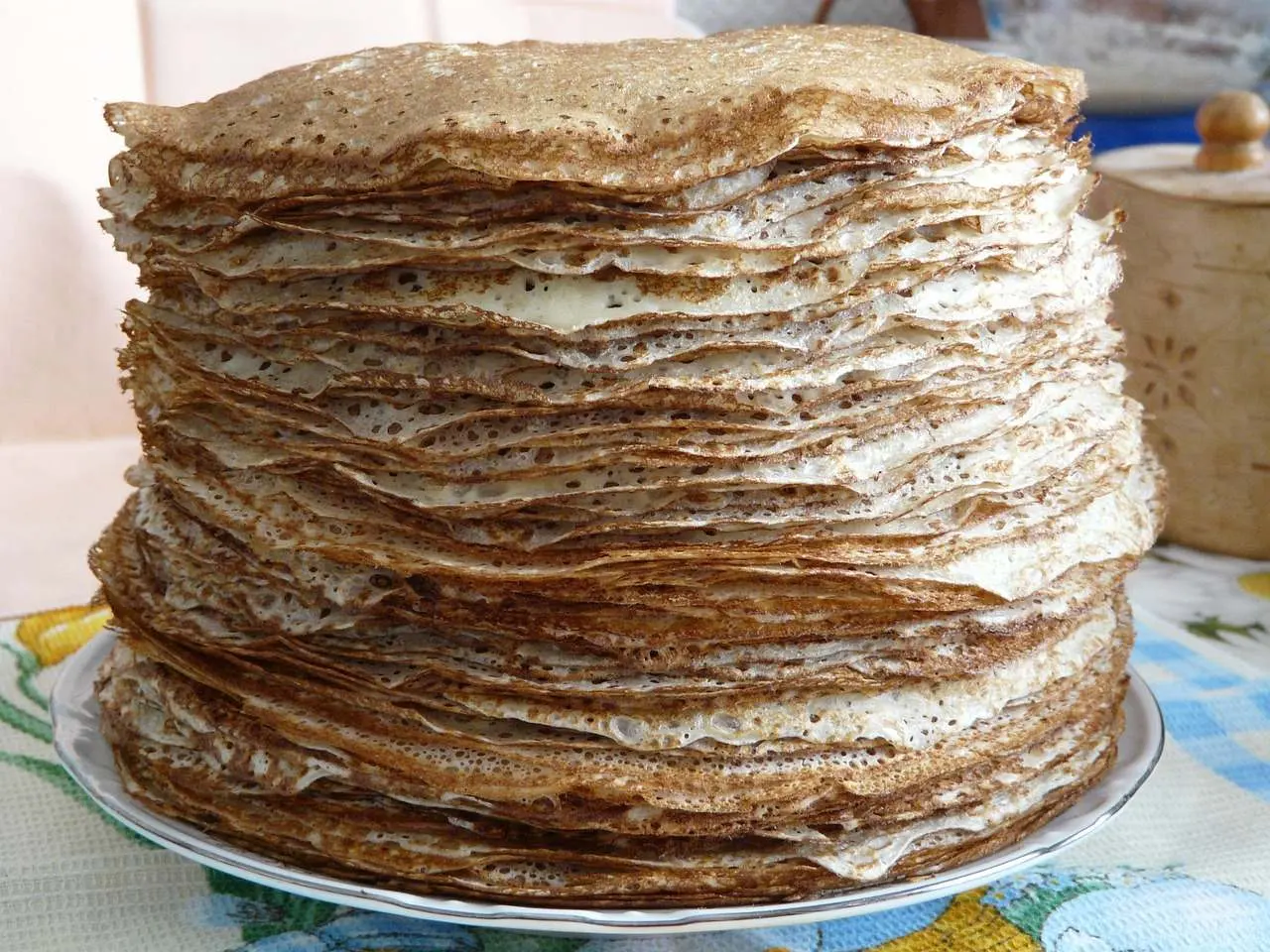
- Hot dishes: pirozhki, blintzes and pelmeni.
Zakuski can be served cold or hot, says Wikipedia. In a family spread described by NPR, the hot items included piroshki stuffed with cabbage and golden raisins, mushroom blintzes and pelmeni filled with farmer cheese.
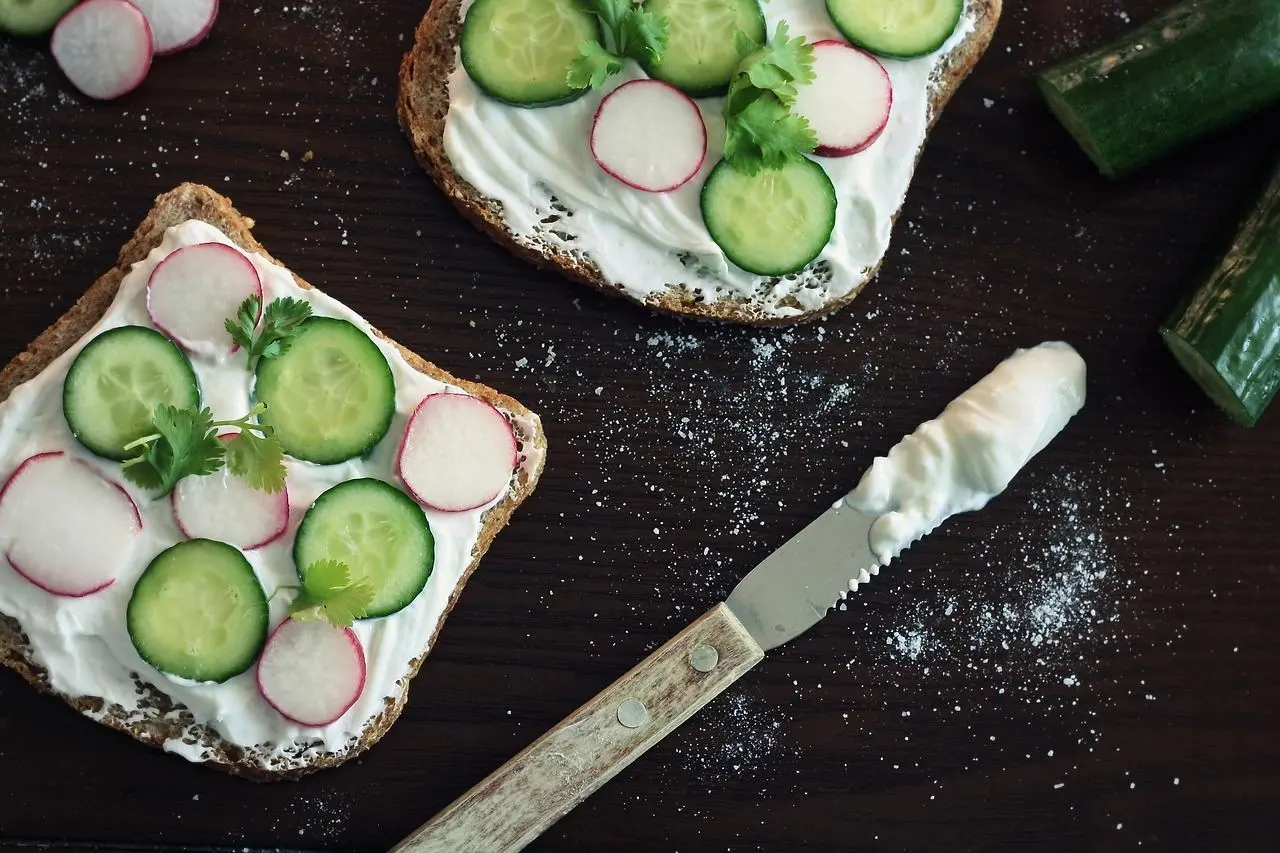
At home, a modern table is often a mix of shop-bought and homemade food. The NPR Kitchen Window piece pairs bought smoked fish, caviar, hard cheeses and salamis with a homemade bean salad, eggplant caviar, brined mushrooms and pastry pockets.
How the Soviet era changed the spread
NPR reports that the table grew during the Soviet era, because each new republic brought new flavors. The Caucasus supplied walnut sauce and fresh herbs, while the Baltics gave the canned sprats that are now a fixture on many tables.
That period was also the age of mayonnaise. The state promoted the new industrial product, and mayo-covered salads such as Herring Under a Fur Coat and Salat Olivier joined the spread.
Food also carried a message. Anya von Bremzen notes in the same NPR report that a lavish table showed who you were, a way to display status and hospitality when housing, cars and clothes were much alike.
Space shaped the custom too. Wikipedia says that cramped homes put the appetizers on the dinner table itself, which made them the first course of a festive dinner. Russian Life adds that wealthy pre-Revolutionary hosts offered fresh oysters, while enormous Kamchatka crab legs were more likely to appear in Soviet times.
Pickles tell a longer story. NPR reads them as a nod to the preserving that kept produce available through long Russian winters.
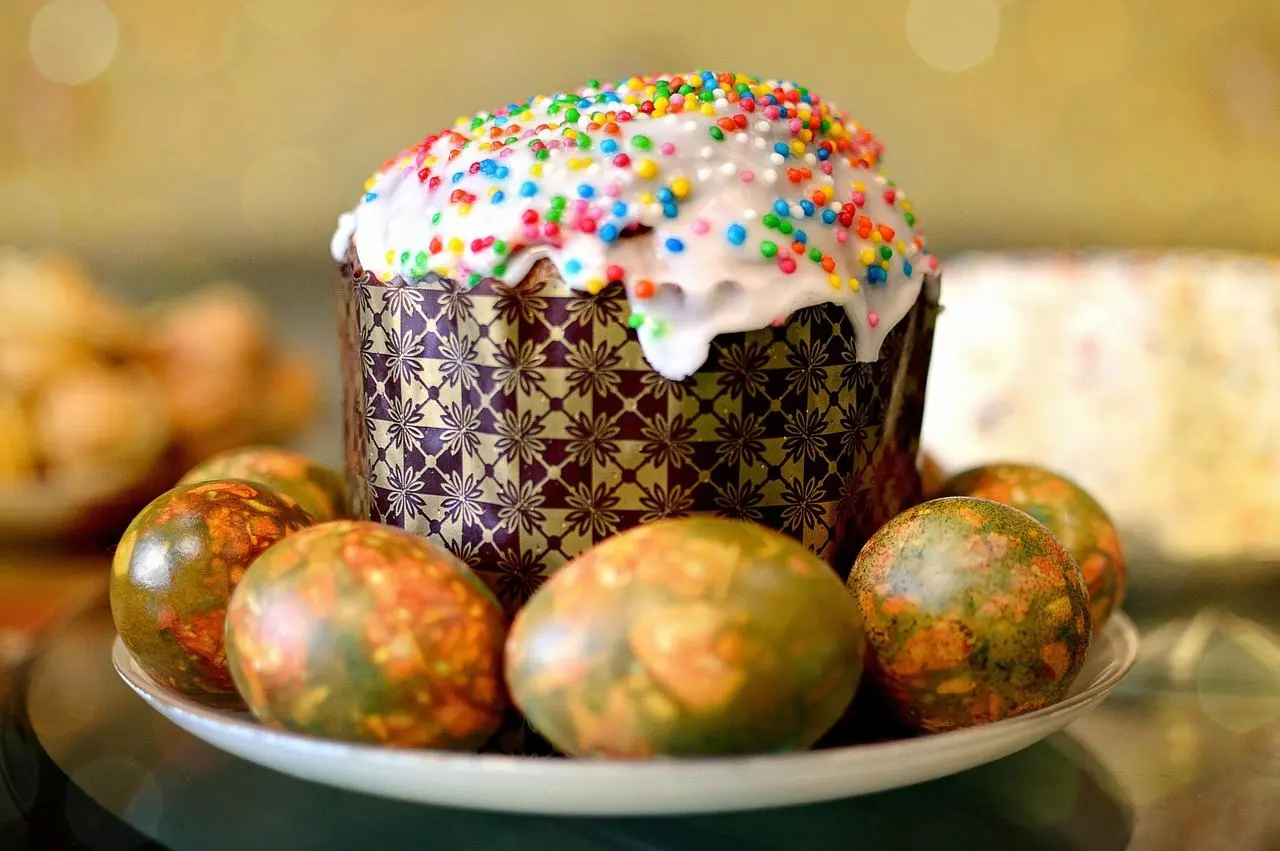
For another look at food that belongs to Russian celebrations, see the guide to kulich and paskha.
How a zakuski table is set and eaten
Late-nineteenth-century Russian cookbooks gave real space to the subject, and Russian Life says many included diagrams of the correct layout. The classic setup works like this:
- The table sits away from the wall so guests can reach every dish. CooksInfo adds that it should be round or oval, so people can walk around it.
- Small plates of zakuski go around the edge, hot on one side and cold on the other.
- Thin bread, small buns and very good butter, sometimes molded into shapes, sit on separate plates.
- Cut-glass carafes holding two or three different kinds of vodka stand in the centre, ringed by shot glasses.
Older accounts describe guests standing and mingling with small plates, according to CooksInfo. Wikipedia notes that the dishes are usually already on the table when guests are called in.
Pace yourself. Russian Life warns that plenty of guests fill up on the appetizers and then find the actual dinner is still to come.
If you want to see the other end of a Russian day, the guide to russian breakfast foods is a good companion read.
Vodka, toasts and pacing
Hosts traditionally welcomed guests in from the cold with a warming shot of vodka, NPR explains. A bite of zakuski follows quickly to protect your stomach and palate from the harsh spirit.
Von Bremzen, author of Mastering the Art of Soviet Cooking, describes the rhythm as no exhaling and an immediate bite to stun the taste. Her example is a shot, a little pickle and a little herring canapé.
Russian Life notes that the table is unthinkable without plenty of vodka, which is why so many dishes are salty and spark thirst.
Toasts give the evening its shape. In NPR’s family scene, Slava Frumkin serves as the tamada, or toastmaster, and the dishes are almost an excuse to fill your glass and raise another toast.
Frequently asked questions
Are zakuski a full meal?
Show answer
No. CooksInfo stresses that this is not a buffet dinner: the courses that make up the real meal come afterward.
Can a zakuski spread be simple?
Show answer
Yes. According to CooksInfo, it may be only bread topped with a piece of fish or flavoured butter, or it may be a huge collection of hot and cold items before a fancy dinner.
How does zakuski service differ from a Scandinavian buffet?
Show answer
The ancestry is shared, but Wikipedia points out that the Russian version goes to the dining table rather than a buffet. It is also treated as a food in its own right, not only a starter.
Where are zakuski served today?
Show answer
They turn up at banquets, dinners, parties and receptions across lands once part of the Russian Empire, including some post-Soviet states and Poland, per Wikipedia.