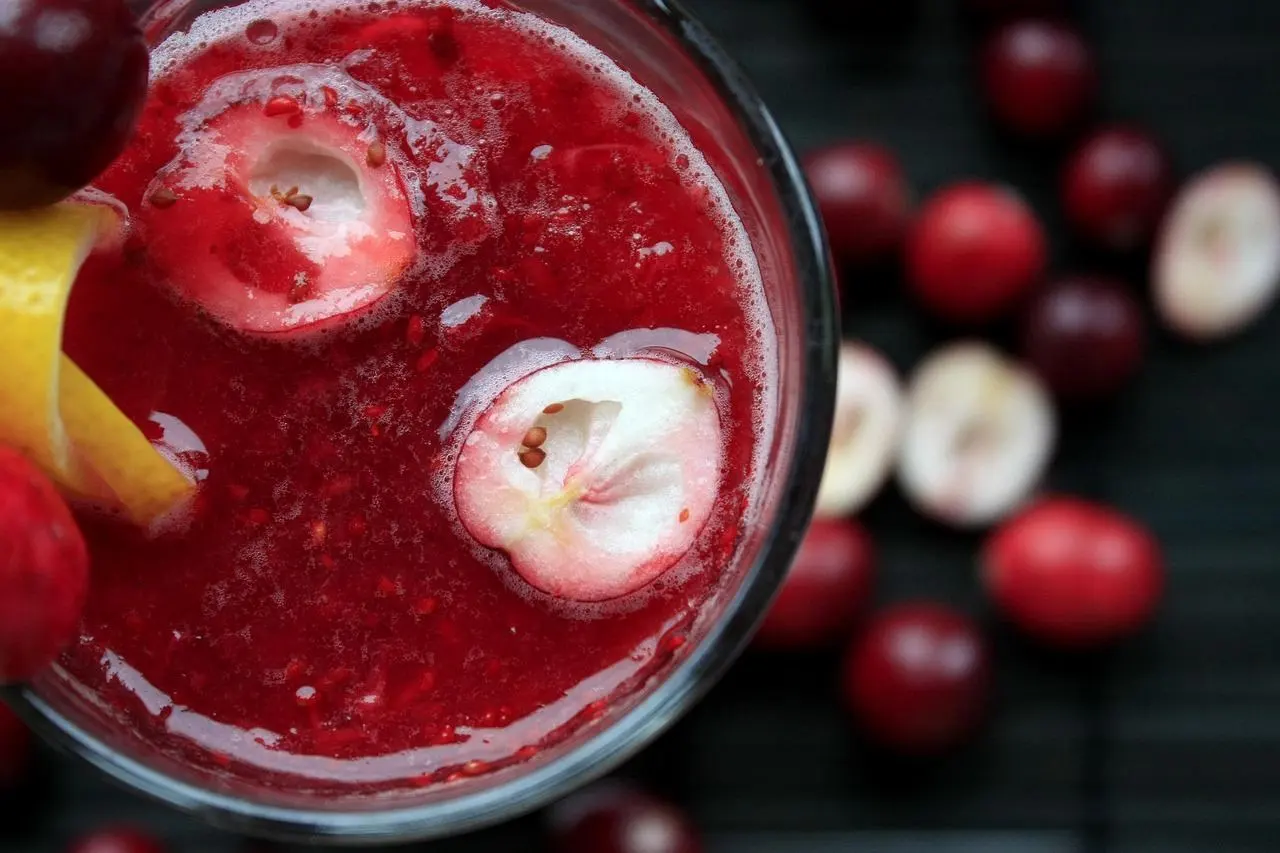
Craving something tart, ruby-red and refreshing, but unsure where to start? This mors recipe is easy: simmer cranberries in water, sweeten with honey or sugar, then strain and chill.
This guide is part of the wider set of russian drinks on the site.
| Item | Value |
|---|---|
| Age of the written recipe | 16th century |
| Classic berries | Lingonberries and cranberries |
| Small batch | 2 cups cranberries and 5 cups water |
| Boil after mashing | 5 minutes |
| Fridge life | 1 week |
Figures come from Wikipedia and Imbibe. Recipes and historical dates can change or differ between sources, so check the source before you rely on them.
What is mors, and where does it come from?
Mors is a Russian non-carbonated fruit drink prepared from berries, generally lingonberries and cranberries, and Wikipedia adds that it is popular well beyond Russia. Bridge to Moscow describes it more simply as sweetened berry juice mixed with water.
The oldest written trail leads to the Domostroy, a 16th-century Russian set of household rules that contains a recipe for the drink, though Wikipedia says it likely existed earlier. Imbibe also dates mors to the 16th century. Folkways Today places the Domostroy in the fifteenth century instead and notes that some archaeologists suggest the drink may be more than two thousand years old, so exact dating is loose.
Sweetener has shifted over time. According to Folkways Today, honey was more readily available than granulated sugar in rural Russia and was long the traditional choice.
Mors sits in a family of Russian fruit drinks. If you want a cooked-fruit cousin, the kompot recipe is a good companion to try next.
Ingredients for a simple mors recipe
The version from Imbibe uses 2 cups cranberries, 5 cups water, a third of a cup of honey (or more to taste) and the juice of half a lemon. It is a modest pot that fills a pitcher.
Each item has a job:
- Cranberries: the tart, colorful base of the drink.
- Water: dilutes the berries into something you can sip.
- Honey or sugar: softens the tartness.
- Lemon juice: adds brightness at the end.
Use whole berries rather than only their juice. Imbibe credits the natural pectin in the fruit for the drink’s brilliant color and velvety texture. For berries, Nourished Kitchen advises fresh or frozen, and says dried cranberries are not a good fit.
How to make mors step by step
Follow this method, adapted from the Imbibe recipe. Nothing here needs special equipment beyond a saucepan, a masher and a strainer.
- Rinse and pick over the cranberries, discarding any stems or leaves.
- Put the cranberries and water in a large saucepan, bring to a boil and cook until the berries burst.
- Take the pot off the heat and mash the berries thoroughly with a potato masher or the back of a large wooden spoon.
- Return the pot to a boil for 5 minutes, then remove from the heat.
- Stir in the honey and lemon juice.
- Cover and let the mixture cool to room temperature.
- Strain through a fine-mesh strainer into a sealable container and discard the pulp.
Keep the container covered in the fridge, as Imbibe suggests using it within 1 week. The mashing step matters, because crushed berries give up far more color and flavor than whole ones.
Variations: other berries, spices and a bigger batch
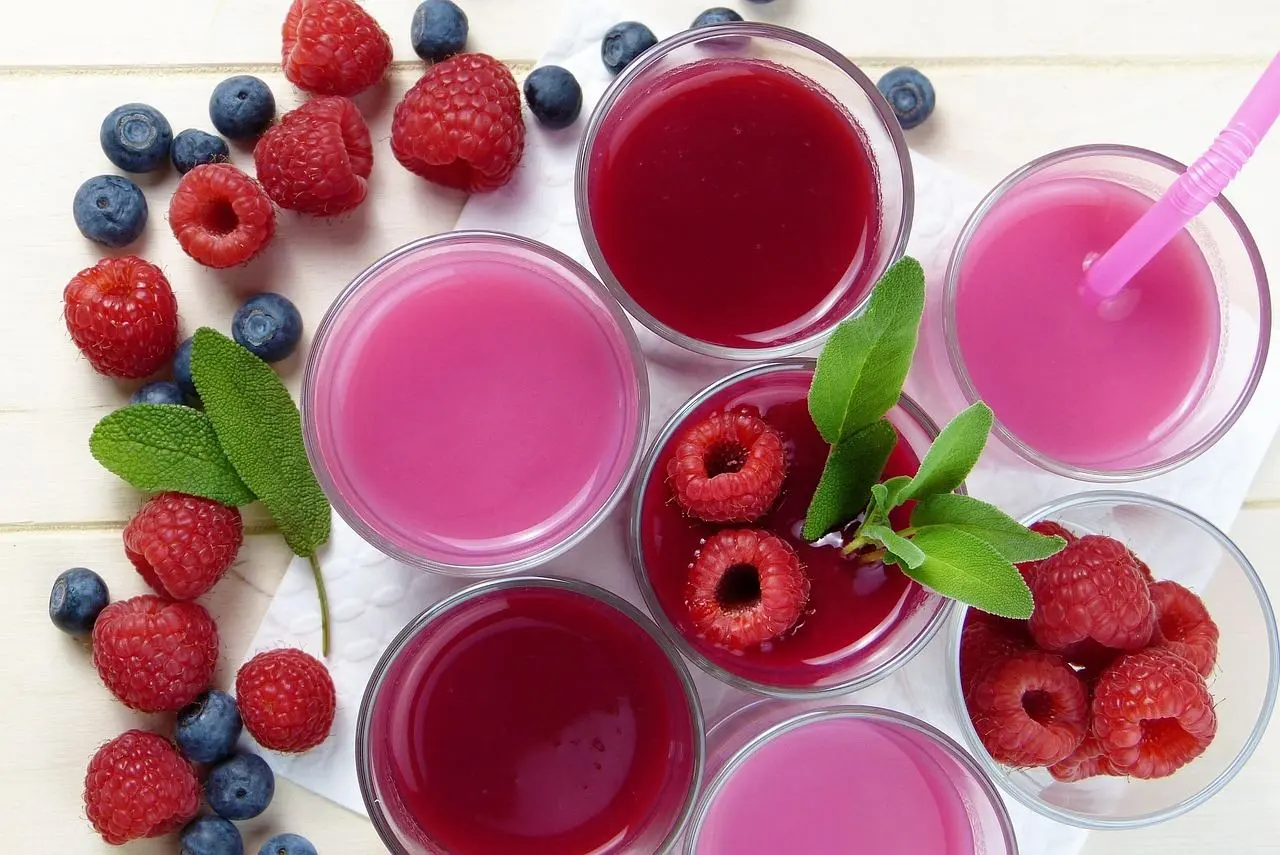
Cranberries are the default, but Wikipedia lists alternatives. You can swap in or blend:
- Lingonberries, the other classic choice
- Bilberries
- Strawberries
- Raspberries
- Sea-buckthorn
For a large jug, Folkways Today lists 700 grams cranberries, 1 cup sugar and 3 liters water. Its method blends and strains the berries, keeps the raw juice cold, simmers the leftover pulp in hot water, then sweetens that liquid. The sweet liquid is cooled until warm to the touch, not more than 35 degrees, before the cold juice is stirred back in.
If you like warm drinks, Nourished Kitchen simmers berries with ginger and sweet spices before straining and lightly sweetening with honey. Its star anise, cinnamon stick and allspice berries turn the drink into something close to a mulled cider. For a cold glass, Folkways suggests a dash of cinnamon, a mint leaf, or lemon or orange zest as garnish.
Serving mors, storing it and adding vodka
Mors is especially popular on warm summer days and is often served slightly chilled, according to Folkways Today. The same page reports that many Russians credit it with helping against colds, although you should treat that as tradition rather than medical advice.
Texture is a matter of taste. Most often the drink is strained through a fine sieve, yet Folkways Today notes that many restaurants in Russia now serve a “home-style” version with considerable pulp and skin.
Some people turn mors into a cocktail. Wikipedia says it is sometimes mixed with vodka, and before pouring any spirit into a pitcher it helps to read about how to drink vodka russian style.
Shop-bought versions differ from the homemade kind. Per Wikipedia, some commercial brands blend fermented, clarified juices with sugar syrup and drinking water, and Folkways Today notes they sit in the supermarket juice section.
Frequently asked questions
Is mors just cranberry juice?
Show answer
Not quite. Mors is a diluted, sweetened drink, made either by boiling the berries or by stirring juice into sweetened water, as Wikipedia explains.
Can I use dried cranberries?
Show answer
Choose fresh or frozen berries instead. The cook behind Nourished Kitchen replied to a reader that the recipe needs them fresh or frozen.
How long does homemade mors last?
Show answer
Plan to drink a batch within about a week, kept covered in the fridge. That matches both Imbibe and Nourished Kitchen.
Does mors contain alcohol?
Show answer
Normally it does not, since it is a non-carbonated fruit drink. A splash of vodka is an optional extra, according to Wikipedia.