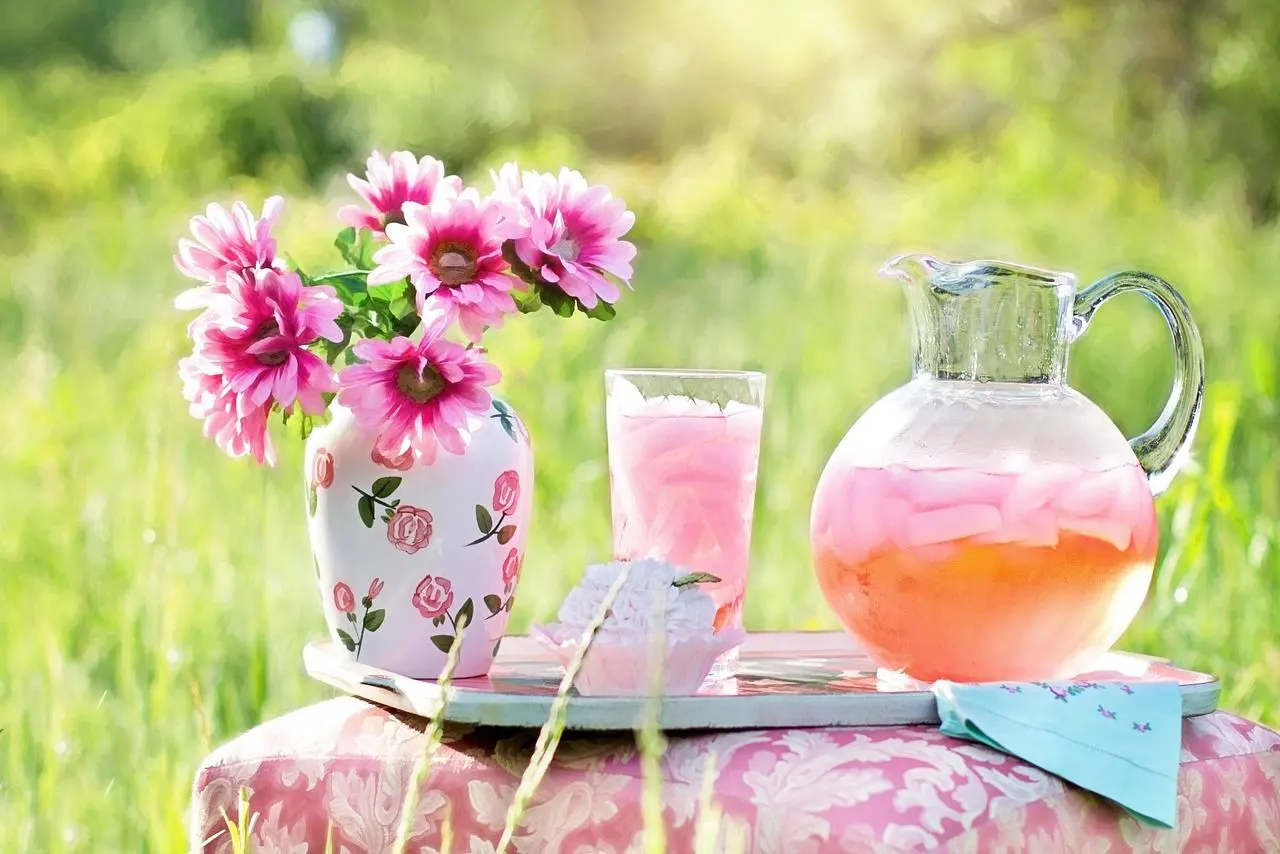
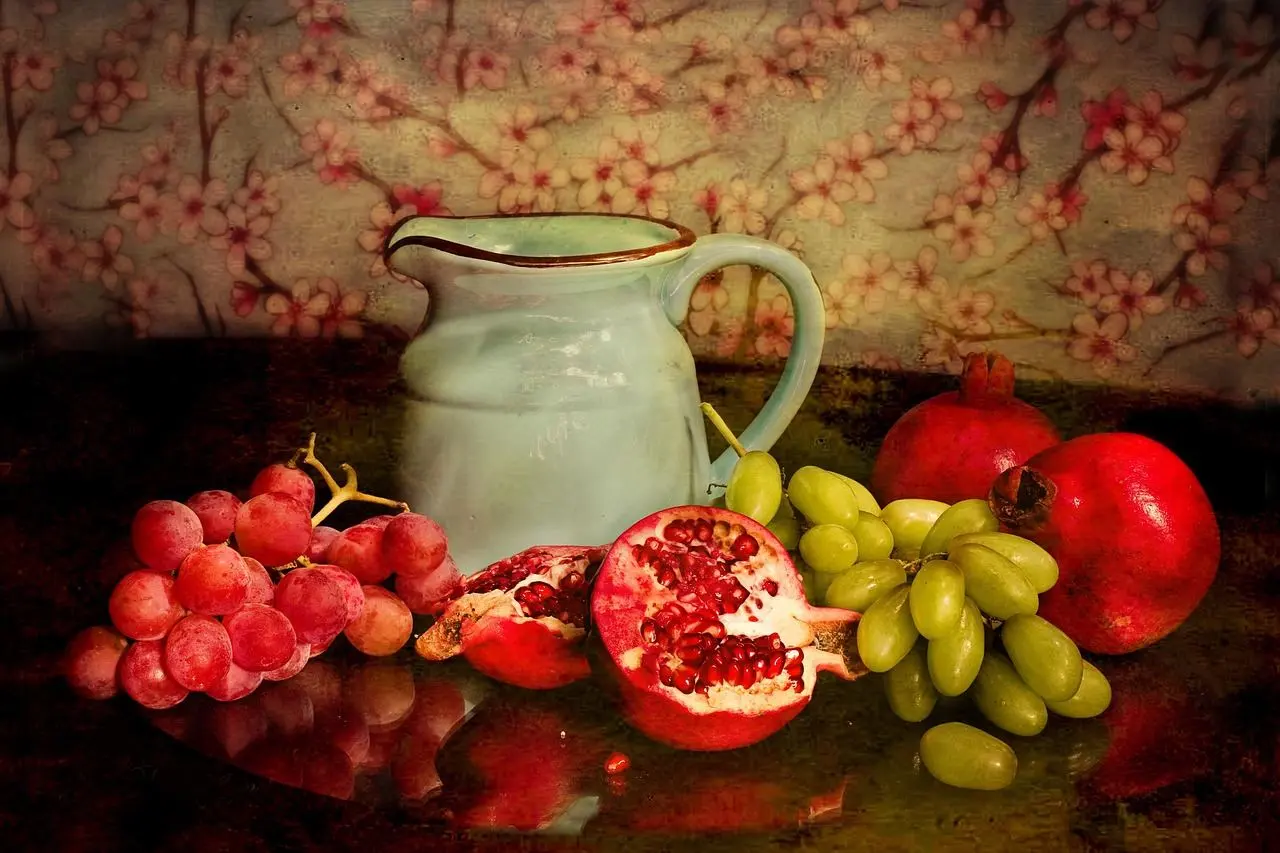
Got fruit going soft and want something better than store-bought juice? This kompot recipe is simple: simmer fruit in water, sweeten to taste, then cool and strain. Serve it cold or hot.
This page belongs to the wider collection of russian drinks on EatDrinkRu.
| Item | Value |
|---|---|
| What it is | Sweet, non-alcoholic fruit drink, served hot or cold |
| Typical fruit | Strawberries, apricots, peaches, apples, raspberries, rhubarb, plums, sour cherries |
| Fridge storage | 3-4 days |
| Freezer storage | 3 months |
| Consumption trend | Declining since the 1980s |
Figures come from Wikipedia’s Kompot entry and Peter’s Food Adventures. They can change, so check the sources before you rely on them.
What is kompot?
Kompot is a sweet, non-alcoholic fruit drink that can be served hot or cold, depending on tradition and season, as Wikipedia describes it. It is popular across Central and Eastern Europe and in the Caucasus.
In Russia it works as an everyday household drink. One cooking site calls it one of the most popular and common drinks in the country, found in restaurants and homes alike, according to Delighted Cooking.
Do not mix it up with compote. The word comes from the French compote, and as a dessert the two are essentially identical, per Wikipedia. A Russian-food blogger puts the difference plainly: compote has less liquid and is eaten, while kompot is drunk (Lea Zeltserman).
The drink is also on a slow decline. Wikipedia notes that consumption has been falling since the 1980s, which is a good reason to keep making it at home.
Choosing fruit and sweetener
Almost any fruit works, which is why kompot suits odd bits left in the fruit bowl. The usual lineup falls into four groups:
- Firm fruit: apples and pears, which hold up to a longer simmer.
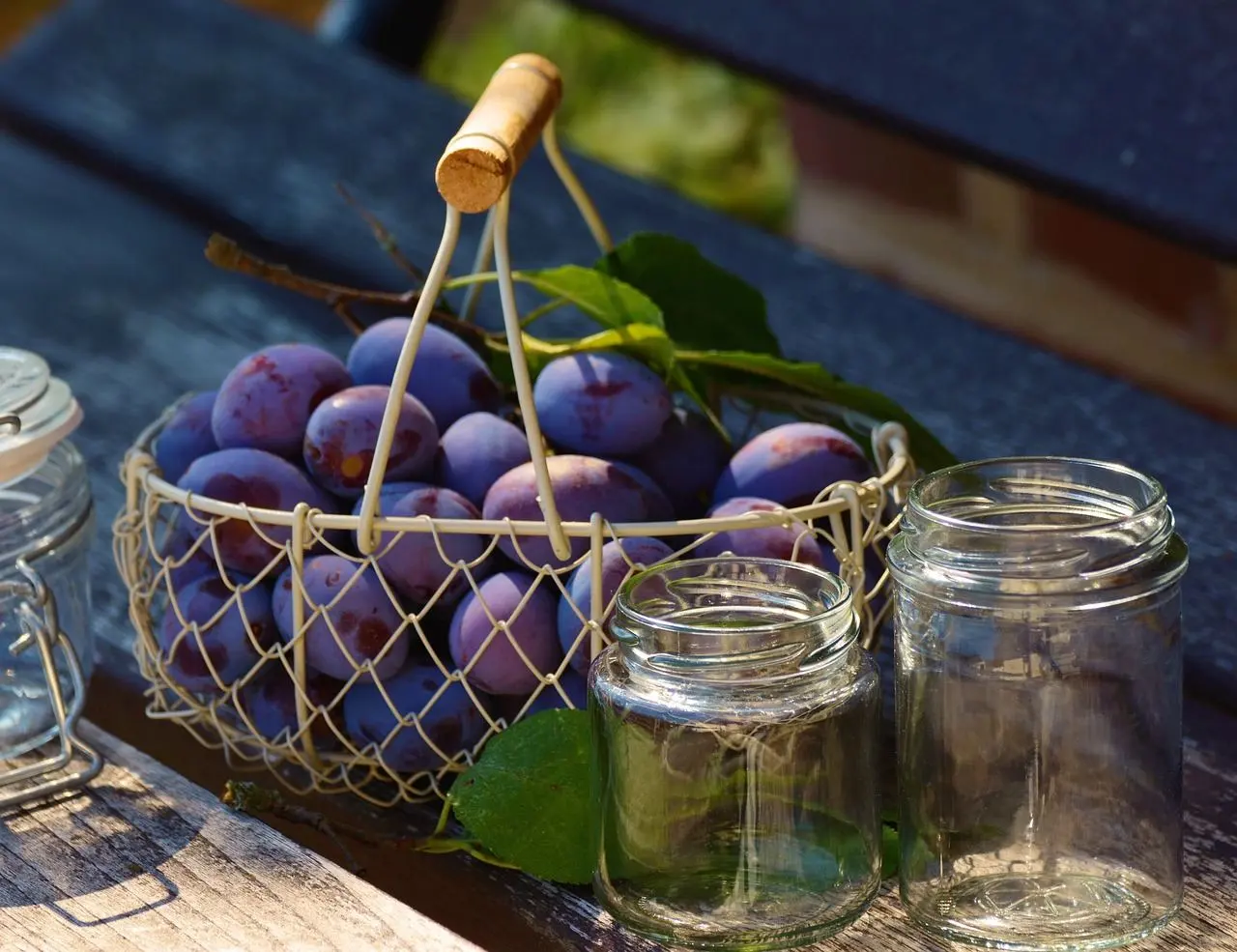
- Stone fruit: plums, apricots, peaches and cherries, pitted when you can.
- Berries: raspberries, blackberries, blueberries, currants and cranberries.
- Dried fruit: apples, pears, prunes and raisins for the winter pot.
Wikipedia lists strawberries, apricots, peaches, apples, raspberries, rhubarb, plums and sour cherries, cooked with sugar, honey or raisins as sweeteners. Prepare + Nourish treats apples and stone fruit as the base of the pot, with berries added later because they break down faster.
Light fruit alone can taste flat. Peter’s Food Adventures advises that apples and peaches lack flavor and depth, and that forest berries or a raspberry juice base add color and flavor.
For the sweetener, sugar and honey both work. Honey is gentler if you let the liquid cool slightly first, a step Prepare + Nourish recommends before stirring it in.
Kompot recipe, step by step
Treat this as a template rather than a fixed formula. Quantities are left loose on purpose, because fruit varies in sweetness and every household has its own ratio.
- Wash the fruit. Cut large pieces down and pit any stone fruit.
- Bring a big pot of water to a boil, then add the firmer fruit first.
- Stir in sugar if you are using it, and let everything simmer gently.
- Add the berries once the firm fruit has softened.
- Taste, then add more sweetener or a squeeze of lemon if it needs it.
- Take the pot off the heat, cover it, and let the kompot cool with the fruit still inside.
- Strain it, or leave the fruit in, and chill before serving.
The quick approach is to add all the fruit together. Delighted Cooking describes simmering for about 10 to 15 minutes, then leaving the fruit in the liquid to cool for several hours so the flavor intensifies.
The slow approach builds more depth. Prepare + Nourish simmers for 45 minutes until the fruit has softened and released lots of flavor, then adds berries for another 20-25 minutes if you have the time.
A third published method sits between the two. Lea Zeltserman’s site shares a recipe that simmers apples and prunes for 15 minutes, then adds the berries for another 5-7 minutes.
The resting time matters as much as the cooking. Peter’s Food Adventures suggests covering the pot, turning off the heat and letting the fruit infuse for a few hours, best overnight if you started in the evening.
Fresh, frozen, or dried fruit
Frozen berries are a perfectly good shortcut. Peter’s Food Adventures confirms that you can use fresh fruit or frozen fruit, and that the method stays the same.
Dried fruit turns the drink into uzvar. Delighted Cooking says kompot made with dried fruits is usually called uzvar, and that it traditionally uses dried apples, pears and prunes soaked overnight before simmering.
Dried fruit is concentrated, so go easy on sweetness. Prepare + Nourish says to hold back on sweetener and taste as you go, and Peter’s Food Adventures adds that dried fruit simply needs longer to release its flavor.
Winter pots often get a little extra warmth. Spices such as vanilla or cinnamon are added for flavor, especially when the kompot is served hot, according to Wikipedia.
Serving and storing kompot
Most people drink it cold. Delighted Cooking says it can be served warm or hot, but the flavors intensify while cooling, so cold is typical.
For a lighter glass, Prepare + Nourish mixes it half and half with sparkling water, which also stretches a batch further.
Pour the cooled drink into a jug or glass bottle. Per Peter’s Food Adventures, it is best enjoyed within 3-4 days in the fridge, or within 3 months if frozen in a bottle that is not filled to the top.
If you like berry drinks, the mors recipe is a close relative worth trying next. For another traditional Russian drink, the sbiten recipe is a natural follow-up.
Frequently asked questions
Should I serve kompot with the fruit in it?
Show answer
Either way is fine. It can go into the glass strained or with the fruit left in, depending on taste, as Delighted Cooking notes.
Can I keep the fruit pulp?
Show answer
Yes, as long as the fruit was pitted. Prepare + Nourish points out that the softened pulp can be enjoyed alongside the drink.
How sweet does kompot have to be?
Show answer
Not very. The same Delighted Cooking page says the sugar can be quite low and is easily controlled by whoever makes the drink.
Can I freeze a batch?
Show answer
Yes. Leave some headroom in the bottle so the liquid can expand, and thaw it in the fridge before you pour, as Peter’s Food Adventures advises.